clients: AMS & Impact Hub
location: CRCL Park
design: bureau SLA & Marlies Boterman
material donor: Secrid
material: 2.500 rejected aluminum cardholders
design team: Peter van Assche, Marlies Boterman, Tessa Paulus, Ninja Zurheide
production: Tofaël Akif, Klara Barlova, Gunnar Bech, Maria Chatzigeorgiou, Pieter van Dijk, Hanako Kameoka, Lika Kortmann, Antoine Lenweiter, Nina Lobo, Asal Moradi, Daphne Palza, Rosa Storm, Puck Swildens
photography: Anisa Xhomaqi
A Case for Reflection
A Case for Reflection
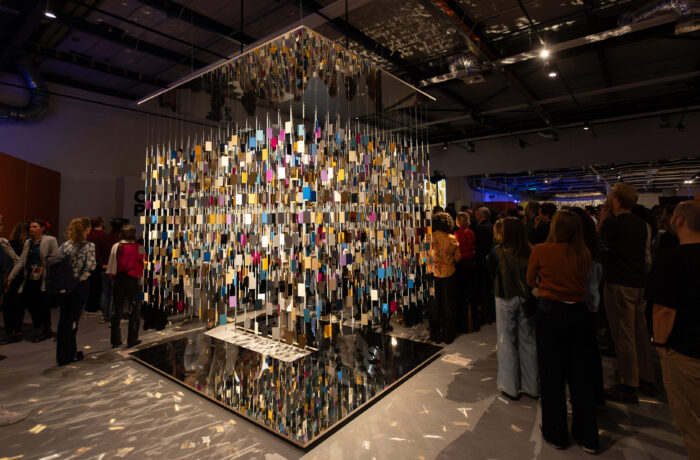
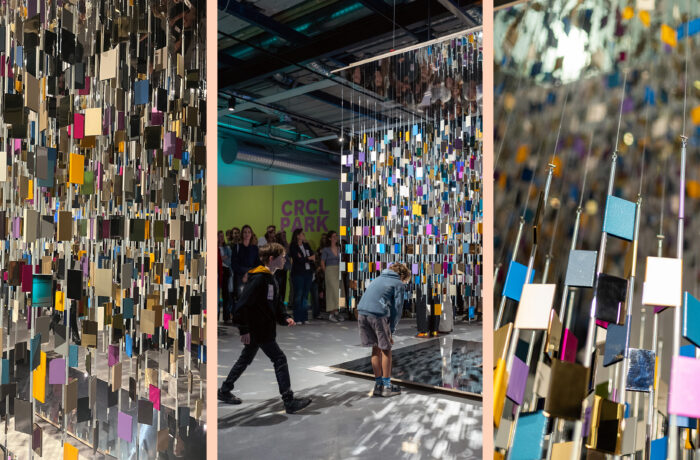
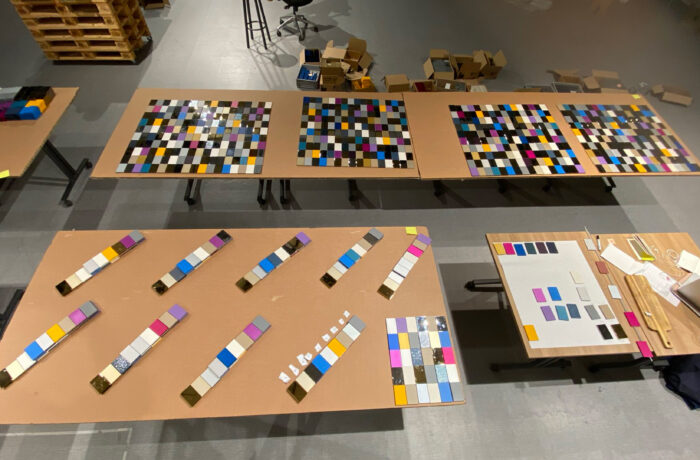
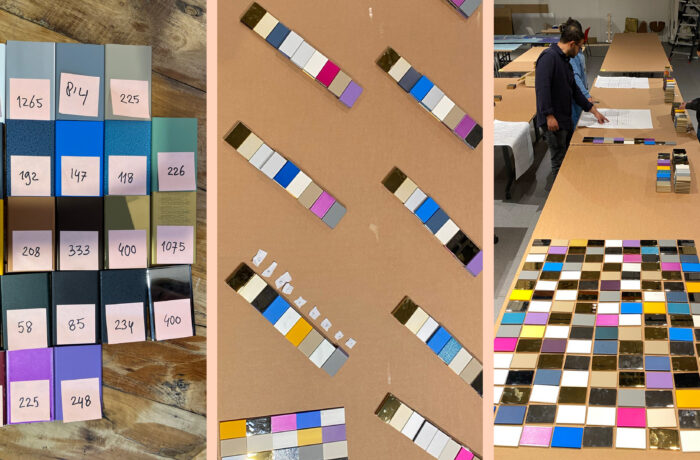
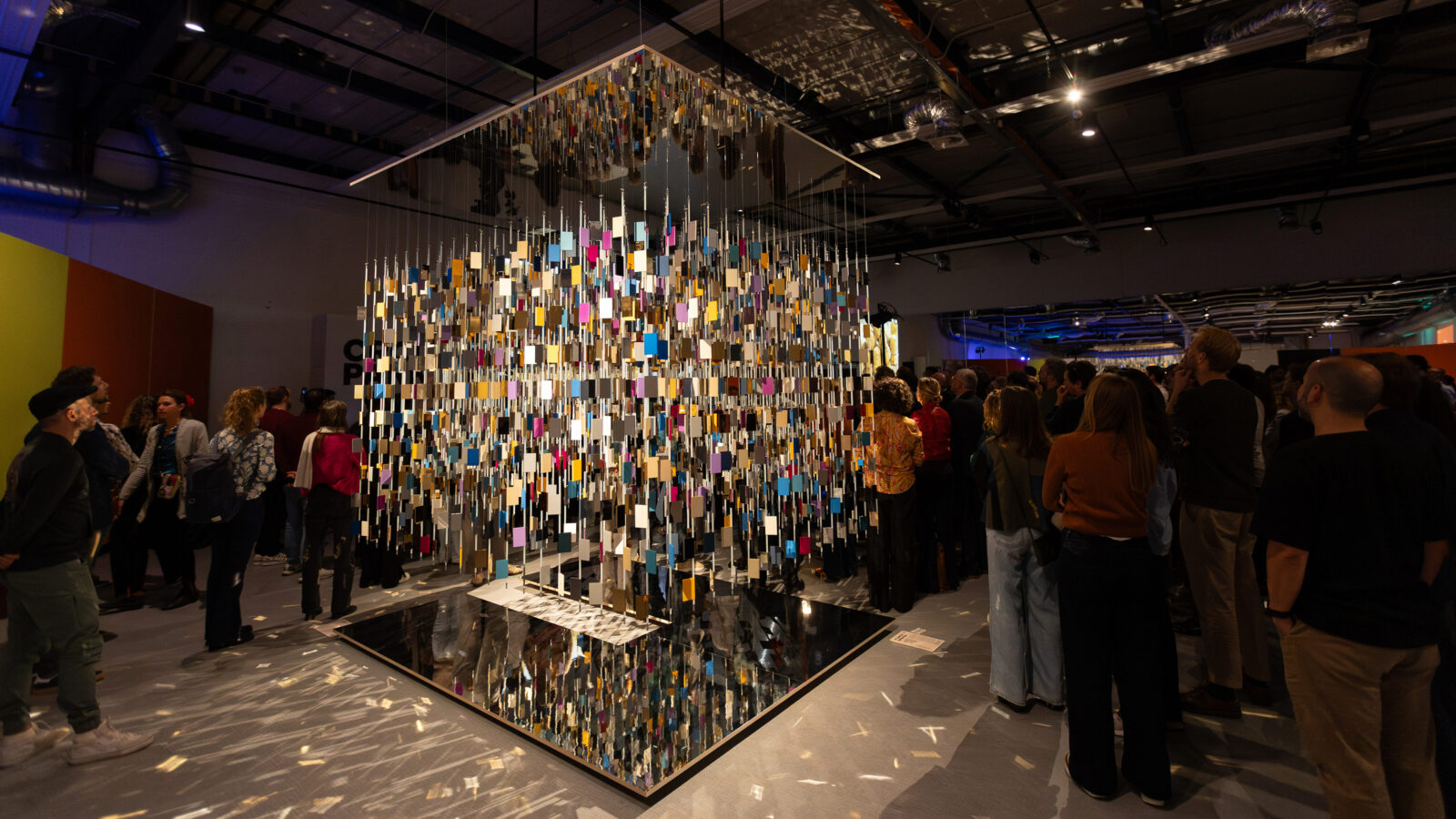
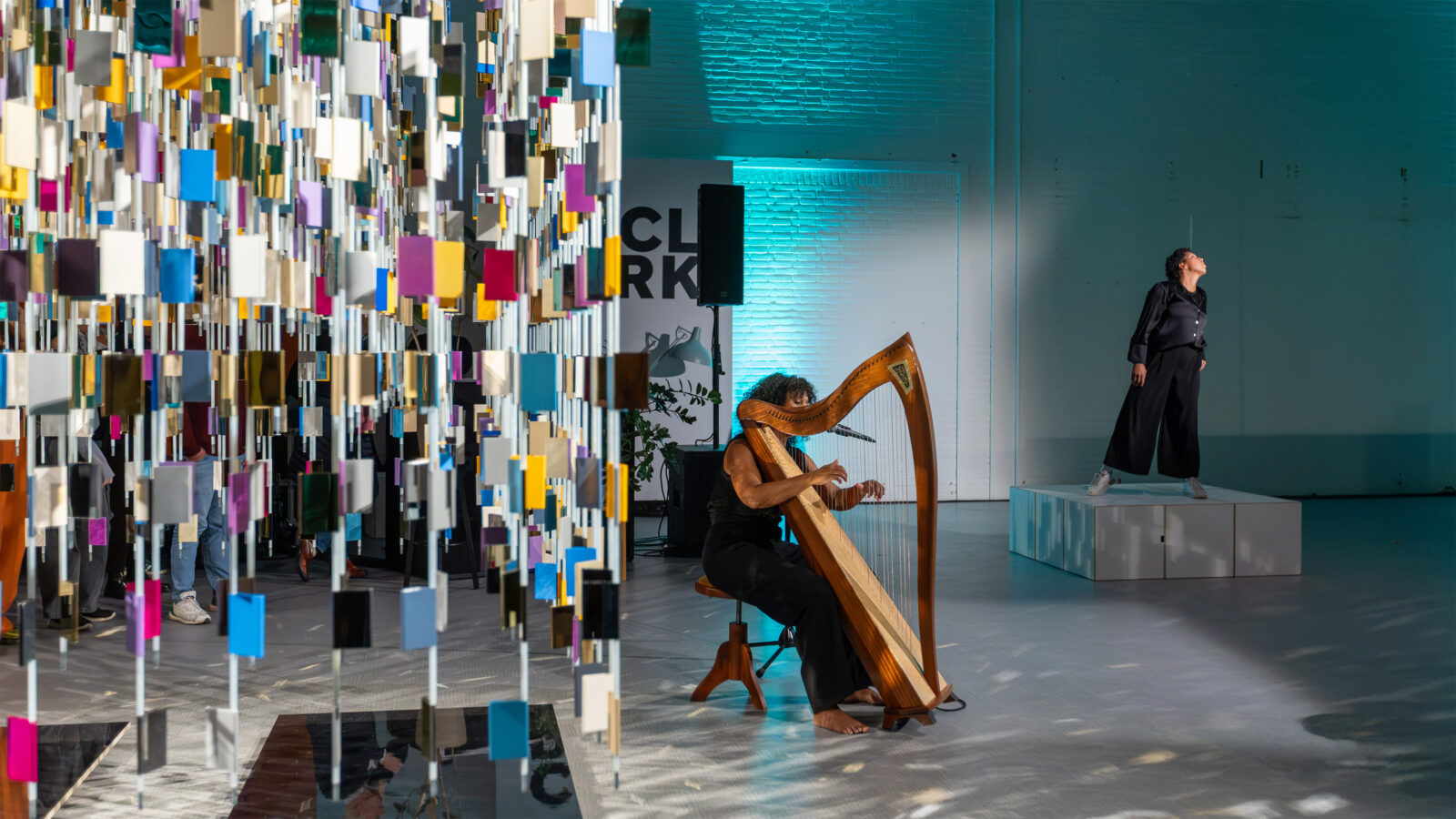
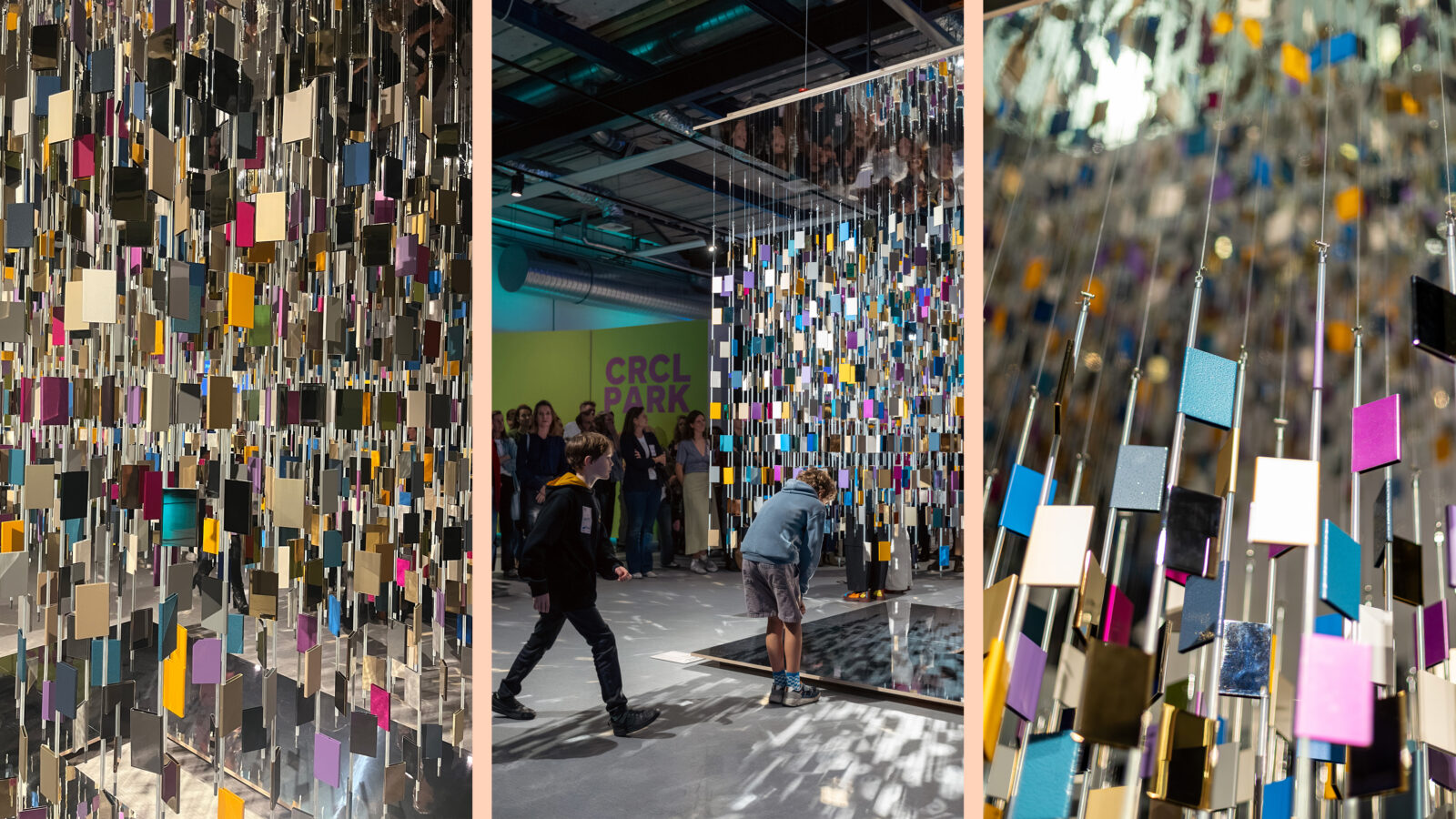
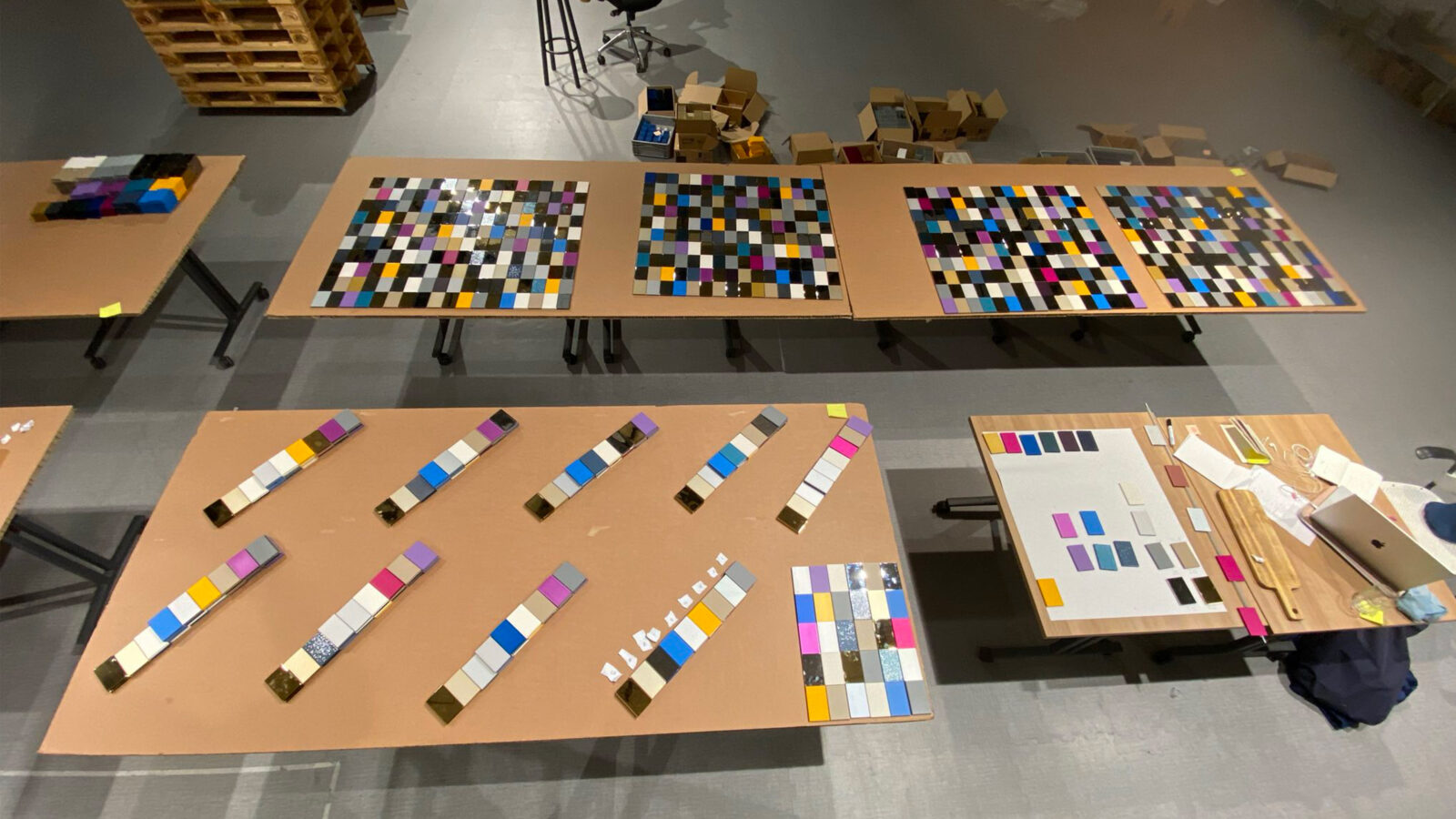
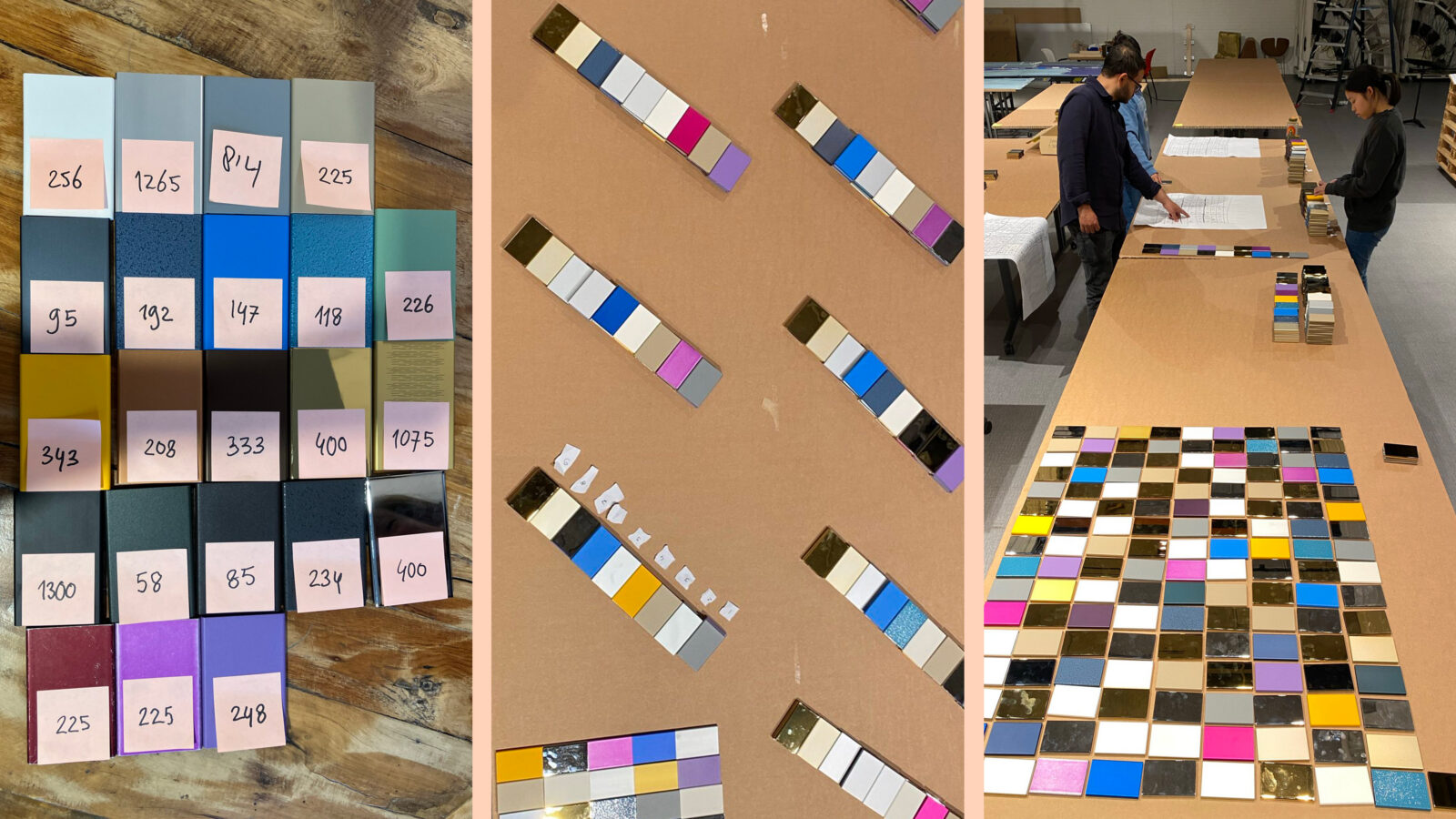
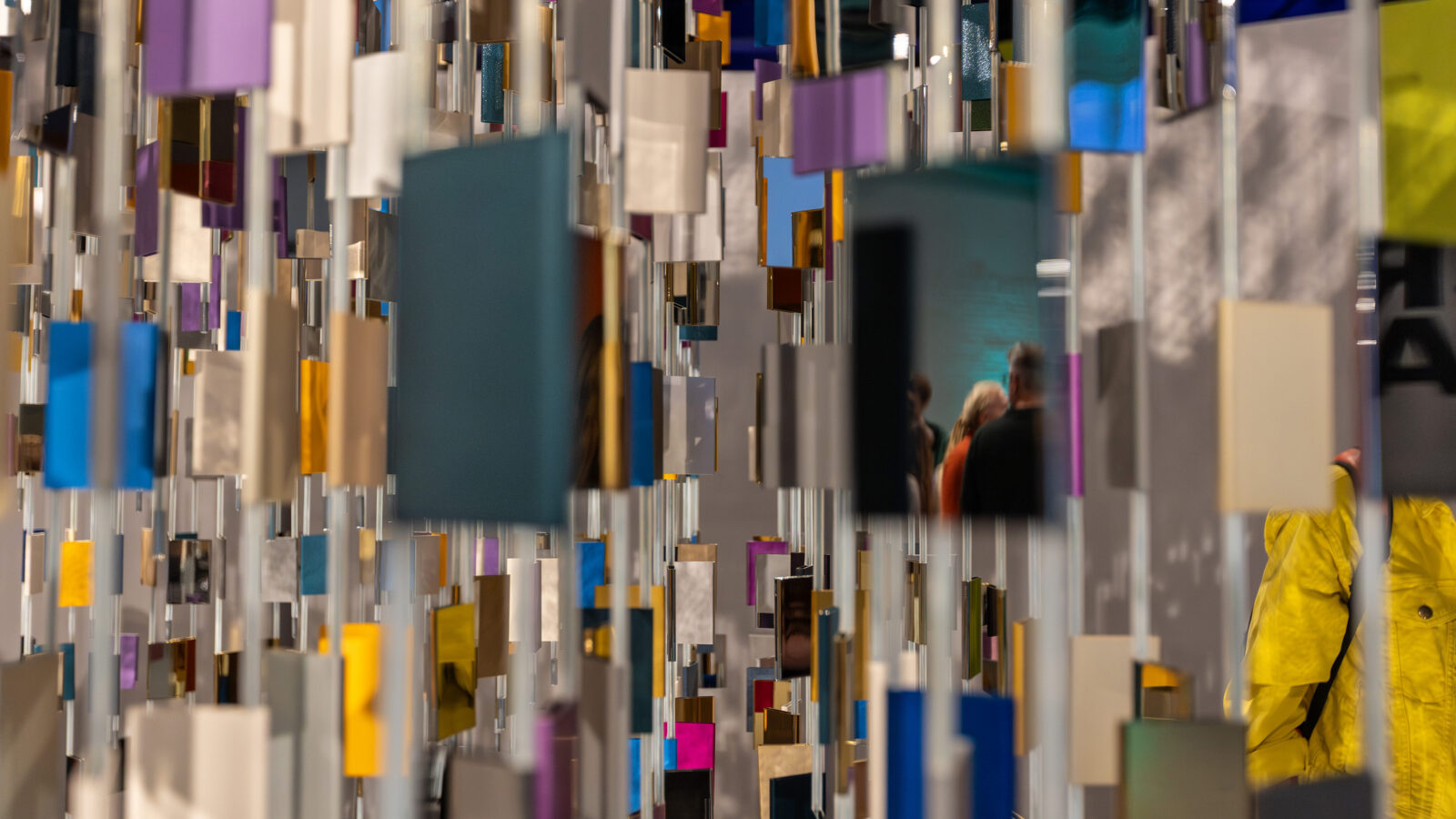
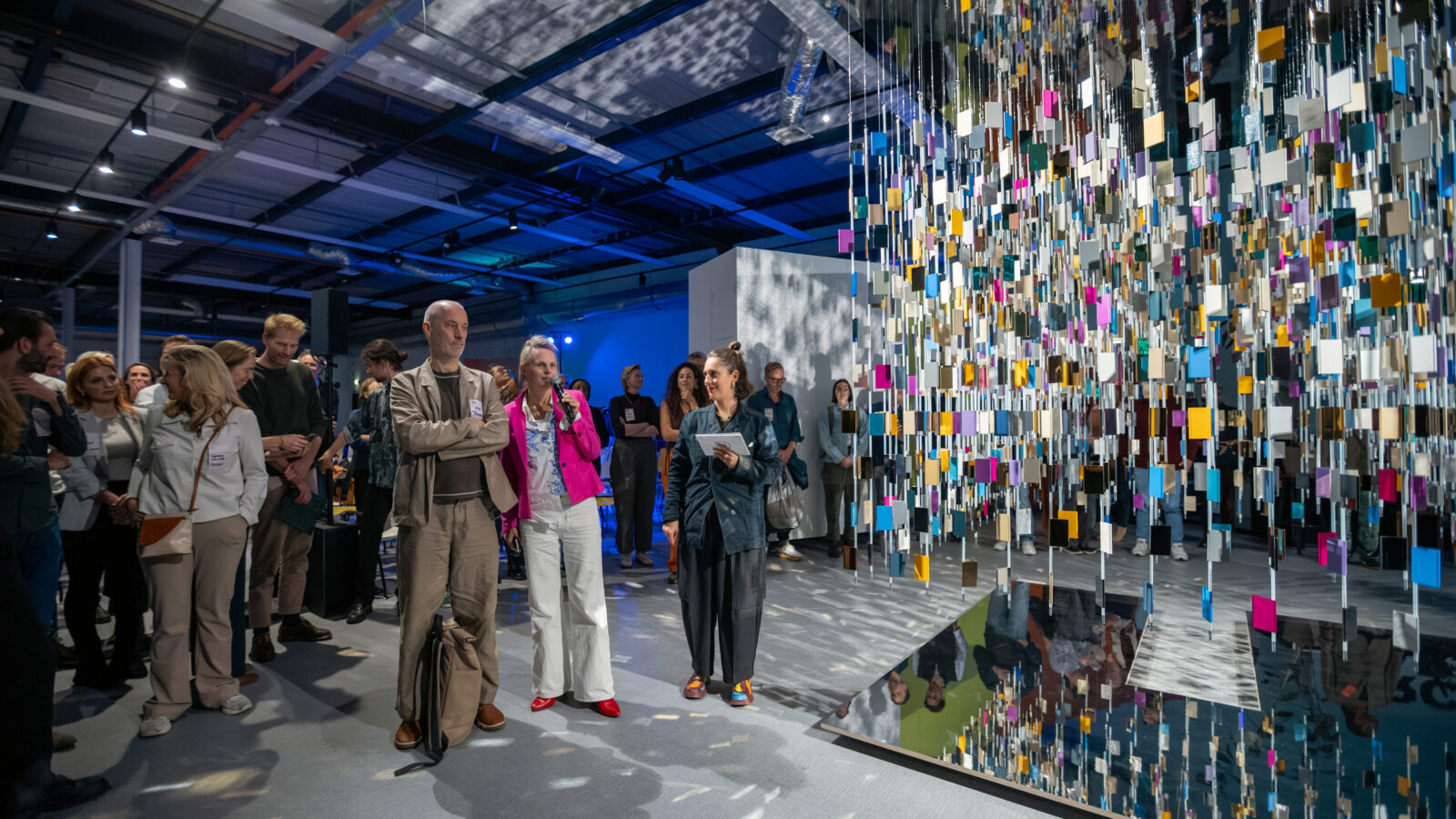
A Case for Reflection is a light installation made up of more than 2,500 rejected aluminum cardholders by the Dutch brand Secrid. These cases are precision objects. In the production process, even the smallest deviation can lead to rejection: a tiny dent, a slight color difference, a scratch that is almost invisible. Not broken, just imperfect.
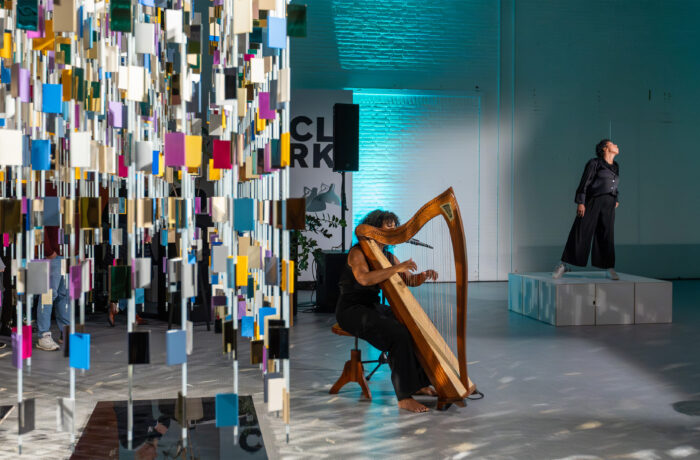
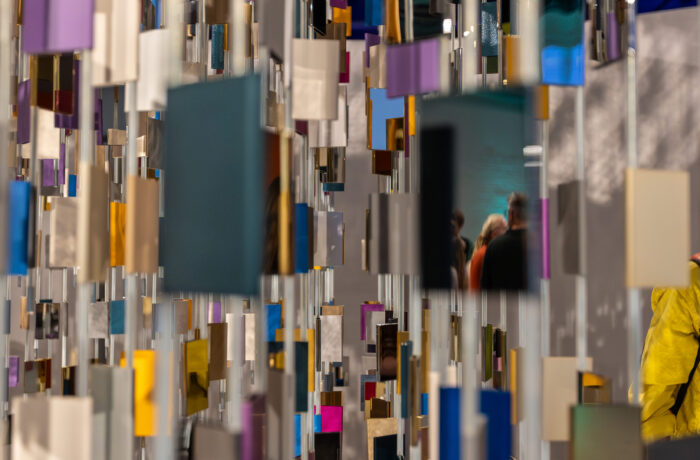
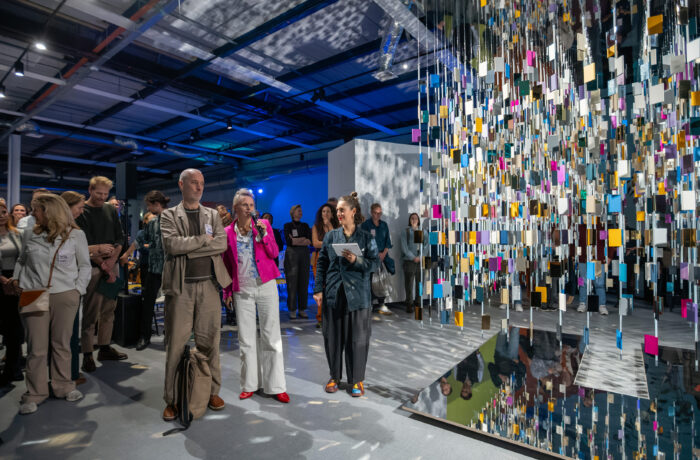
In this work, that rejection becomes luminous. The rejected cases have been reassembled into a large, floating light structure that catches and disperses ambient light. Together, they form a surface that reflects and refracts, transforming industrial imperfection into a kind of visual poetry.
Each case plays a double role: it remains a physical case, but also becomes an argument: A Case for Reflection.
The installation shows how circularity can go beyond function. It is not only about reuse, but about revaluation: rediscovering meaning in what a system would normally filter out.
The mirrored surface invites visitors not only to look at the light, but also at themselves, and at the systems that produce both beauty and surplus at the same time. In that sense, A Case for Reflection is both object and statement: an illuminated plea showing that design, reflection, and responsibility can coexist. Even what has been rejected can still shine.