Client:
Marieke Berkers
Peter van Assche
Design:
Peter van Assche
Ninja Zurheide
Awards:
Frame Awards (Gold), Gulden Fenix (nominated), Architecture Madrid Awards (Silver), ARC25 Interior Award (nominated), Abe Bonnemaprijs (nominated), Architectenweb Award (nominated)
Construction management:
Ninja Zurheide
Photography:
Thijs Wolzak, A&A Expo, Ninja Zurheide, Marieke Berkers, Peter van Assche
Builders:
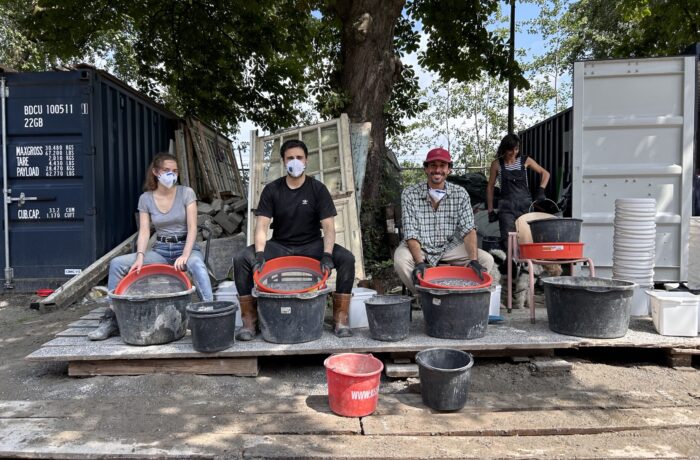
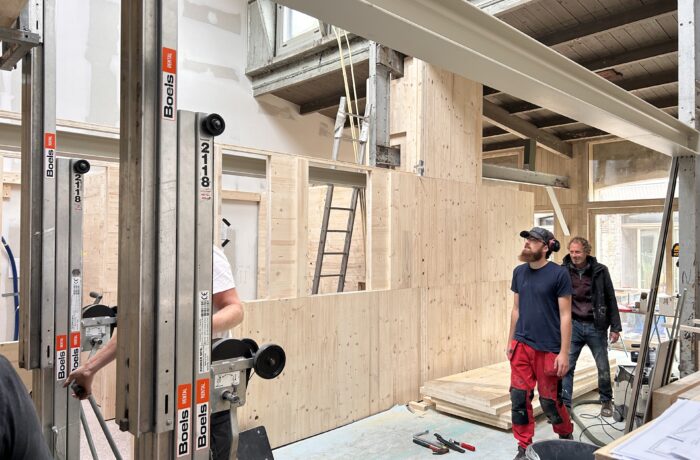
Adan Çardak, Annemijn van Stek, Anton der Kinderen, Arudsagini Arutselvan, Daniël de Wolf, Djan Hamo, Elisa Renaudineau, Ellik Bargai, Gerjan Streng, Gieneke Pieterse, Hanco Kok, Harm Jan Vrolijk, Hester van Dijk, Ilias Kerkeni, Jasper Sam Owen, Jeroen Henneman, Jilling van Stek, Jirk Braak, Jochem Klarenbeek, Johan Kes, Jonathan van Assche, Joris Plezanter, Jos van Assche, Jos van Wamel, Josephine van Assche, Karel van Assche, Krista Jongsma, Luuk Kramer, Maaike Zweedijk, Margo Berkers, Marieke Berkers, Markus Schulze, Marlies Boterman, Maud van Assche, Max Beck, Mieke Melgers, Minh Thy Pham, Ninja Zurheide, Orson Stokvis, Peter van Assche, Reinder Bakker, René van Assche, Ruben Postma, Scarpa, Sjoerd Collega Knuistjes, Thomas Gaalman, Toon den Boon, Trees Berkers, Ward van Assche, Willem Koopmanschap
Suppliers:
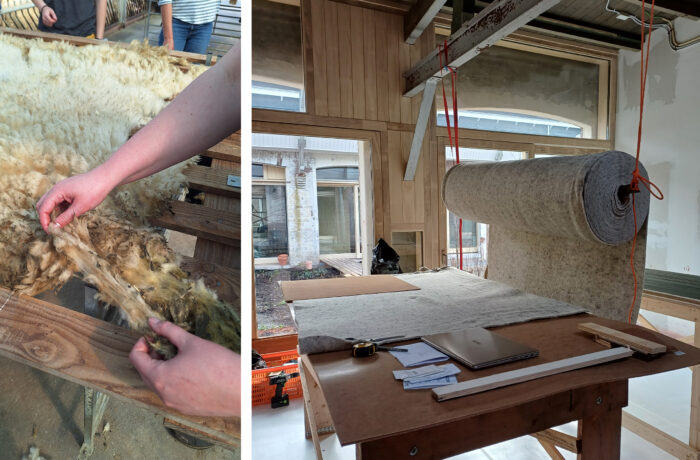
123bigbags.nl, 123installatieshop.nl, 123natuurproducten.nl, A&A Expo, ABC vloeren, Afvalcontainers Noord Holland, BD containers, Bemmel & Kroon, Bluemink Timmerfabriek, Boels Rental, Bol.com, booking.com, Bouwmaat, budgetisolatie.nl, CNC factory, Coolsafety, De Mortelcompagnie, Eijgendaal & Van Romondt, Feramotools, Greenpaints, Hertog, Hollands Wol Collectief, Hornbach, Huigen Achterkamp, Jako Bouwmachines, Kabelshop.nl, Karwei, Klarstein, klium.nl, Kremer Pigmente, Maga tools, marktplaats.nl, Meerleveld Diemen Infra, Moru, natuurverf.nl, Overmat Floor Techniques, Praxis, Prins Houthandel, Quooker, Schrijver BV, Siemens, Spero tools, Spoelbakken Shop, strauss.com, Toolstation, Van Oord & Co, vloerverwarmingzelfleggen.nl, Voogt Graaftechniek, Warmteservice