research group: Architecture & Circular Thinking
publisher: Academie van Bouwkunst Amsterdam
date inaugural lecture: December 12, 2019
text: Peter van Assche
editor: Marieke Berkers
translation: Richard Glass
text corrections: Klaas de Jong & Marieke Berkers
graphic design: Studio Sander Boon
print: P&A Printing
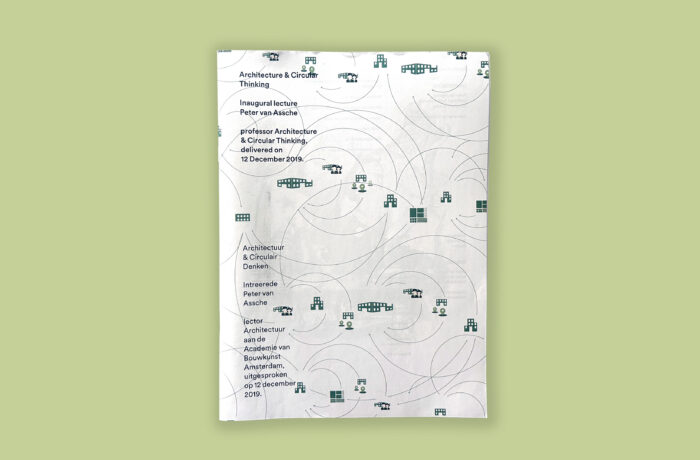
Architecture & Circular Thinking (ACT)
Architecture & Circular Thinking (ACT)
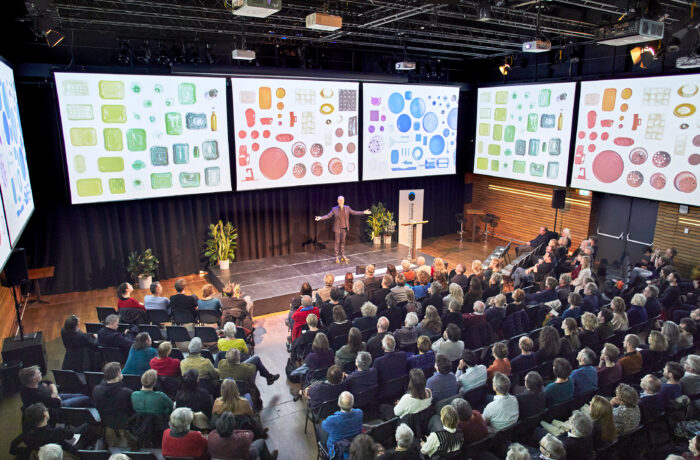
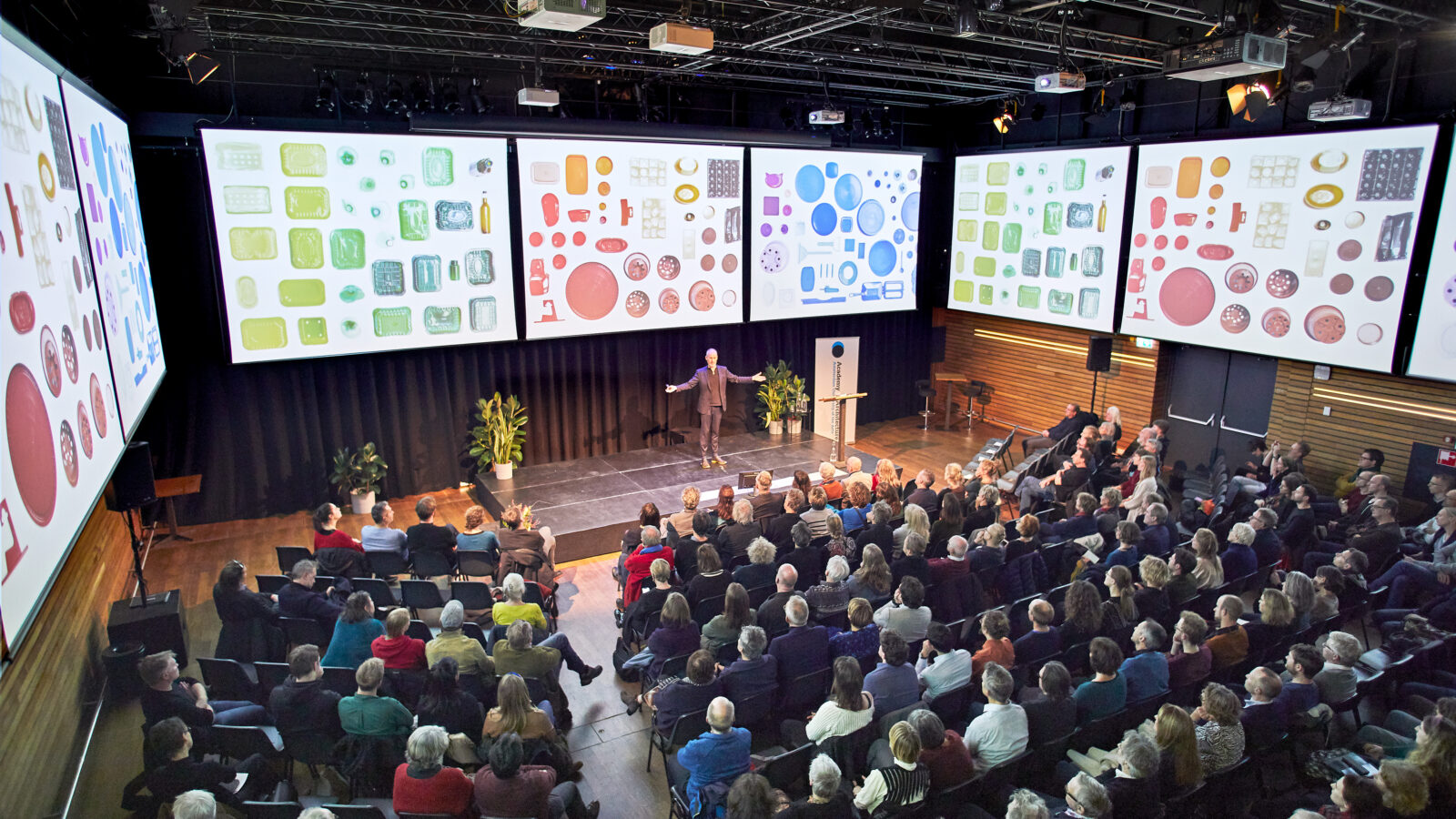
Inaugural lecture by Peter van Assche
Professor at the Amsterdam Academy of Architecture
In Architecture & Circular Thinking, Peter van Assche explores what changes when we stop treating the built environment as a collection of finished objects and start seeing it as a living world of materials, relationships, time and meaning. This publication is not a technical manual on circularity. It is a call to rethink how we look, design and build.
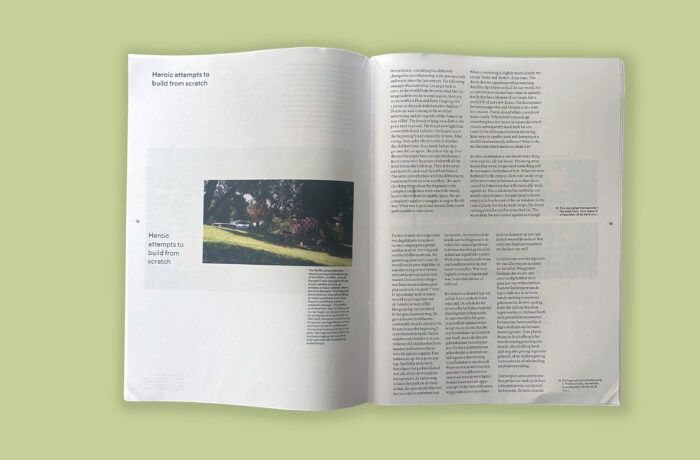
With the way we act now, we are heading toward an apocalyptic Anthropocene, but circular thinking teaches us that we can turn it into an Arcadian Anthropocene. (page 44)
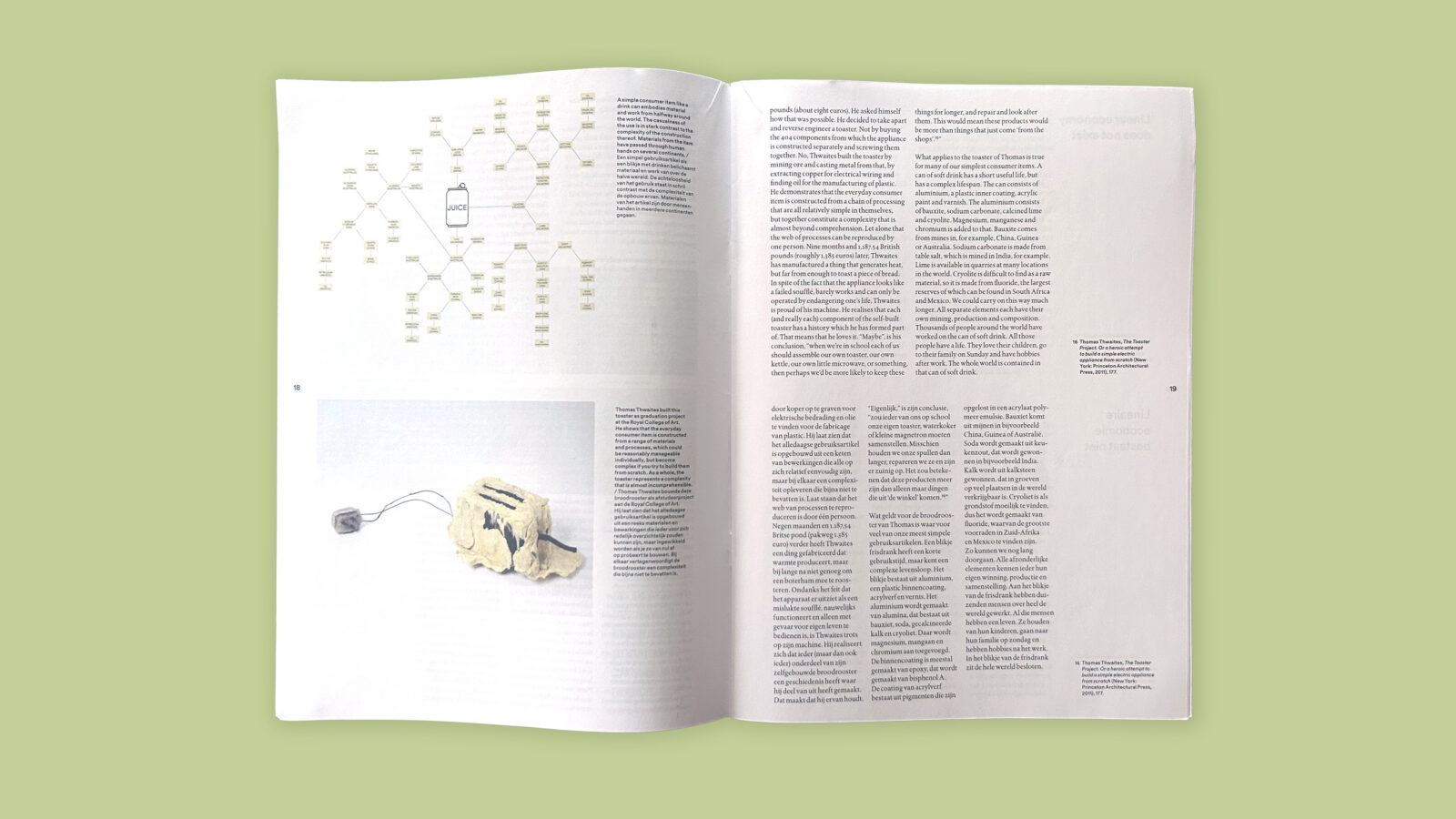
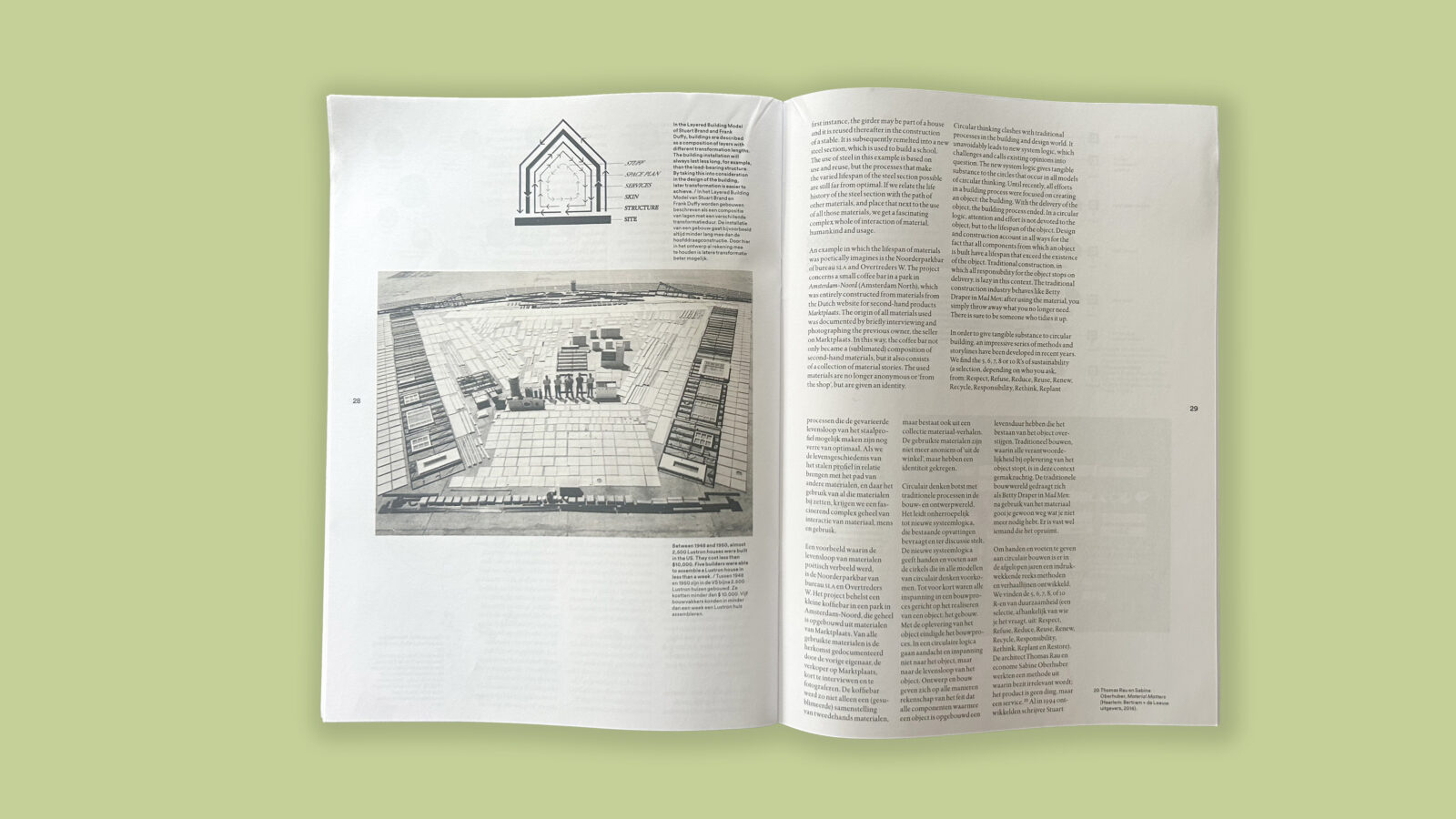
The argument is simple. The real challenge is not only to reuse materials more intelligently or reduce waste. It is to change the logic behind the way we build. As long as we keep designing from a linear mindset, we will keep producing linear problems. Circular thinking asks for a different starting point: not the object, but the lifecycle. Not ownership, but use. Not disposal, but transformation.
New Logic
The publication moves between architecture, economics, ecology and culture. Through built examples, reflections on material and precise observations on contemporary practice, it opens up a different view of the discipline. Architecture no longer appears as a static end result, but as a choreography of people, materials and space. That is where, for Peter, the designer’s role becomes most relevant: in revealing new connections and testing new forms of logic through real projects.
Clear and Inspiring
This is also a hopeful publication. Rather than staying with crisis and scarcity, Architecture & Circular Thinking argues for imagination. It introduces the possibility of an “Arcadian Anthropocene”: a future in which human influence does not only cause damage, but can also support repair, care, beauty and wellbeing.
For architects, designers, policymakers and everyone engaged with the future of the built environment, this publication offers a clear framework for thought. Not as a conclusion, but as the start of a necessary shift.