client: Bureau Spoorbouwmeester
publisher: Bureau Spoorbouwmeester
author: Peter van Assche
publication date: March 2021
graphic design: Ankie Stoutjesdijk
download: Perspectiefwissel (dutch)
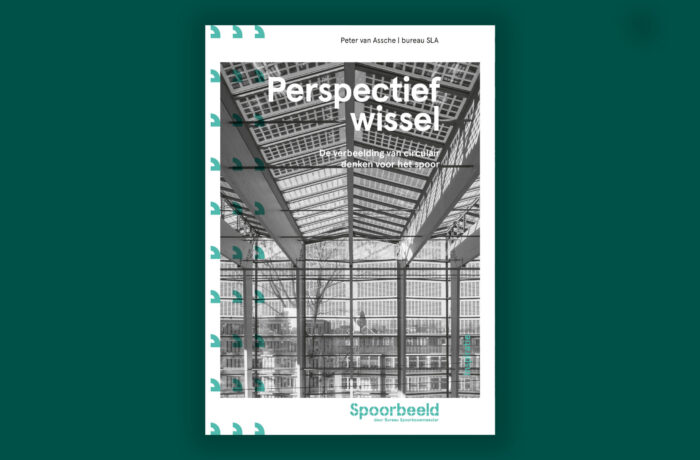
Switching Perspectives
Switching Perspectives
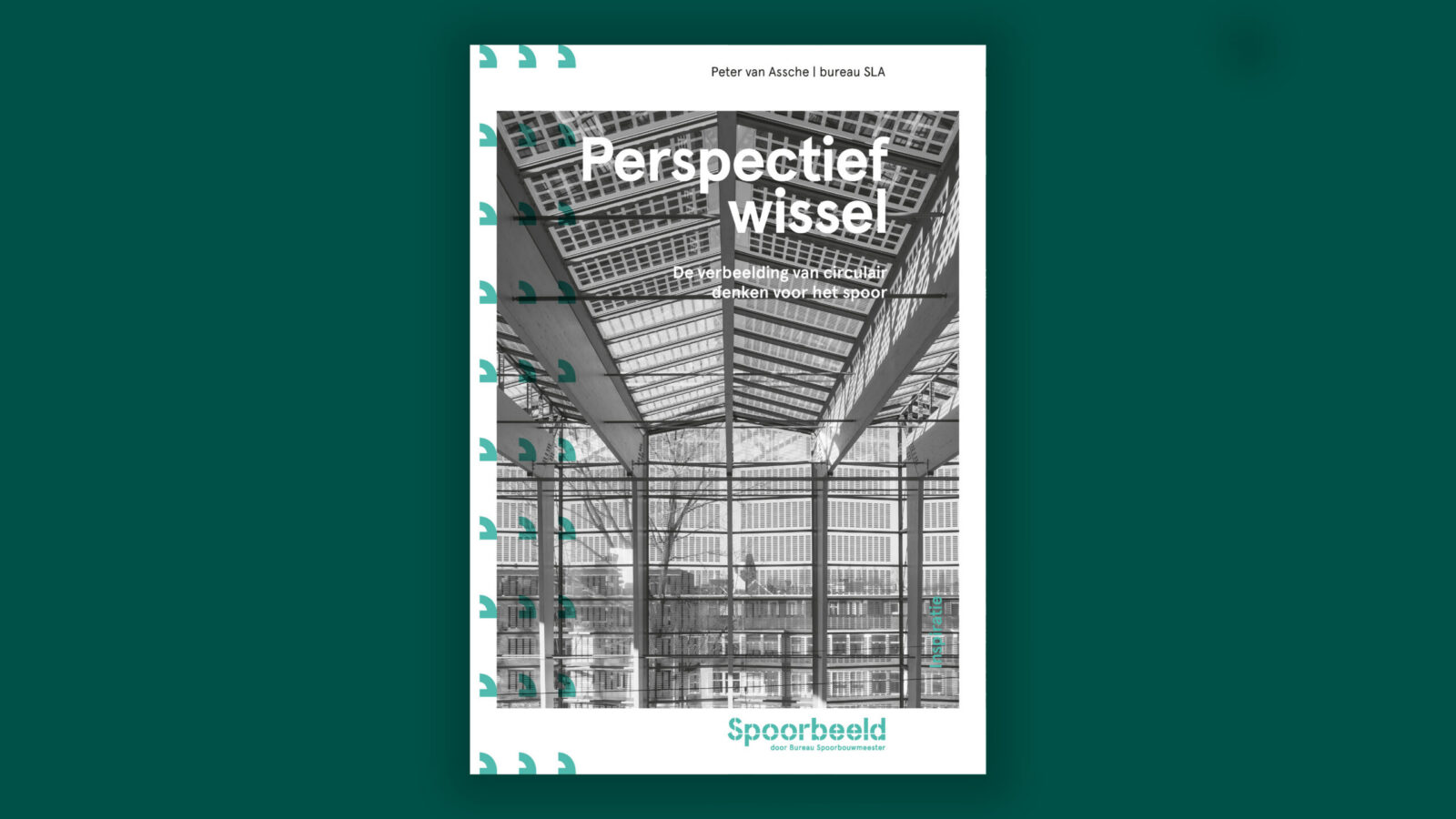
Switching Perspectives: why circular thinking for the railway is not only about technology, but above all about culture
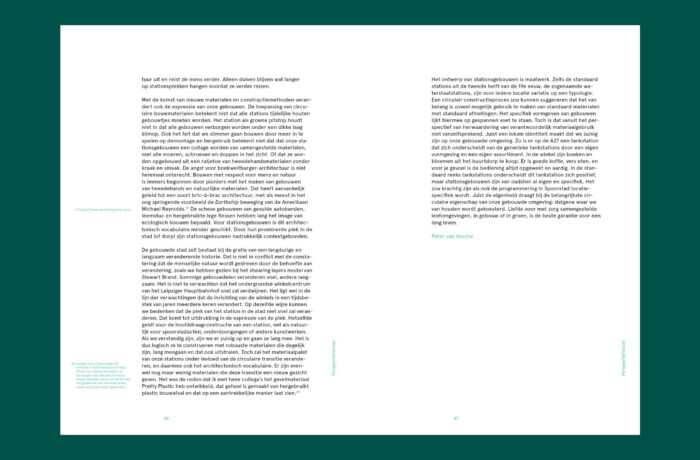
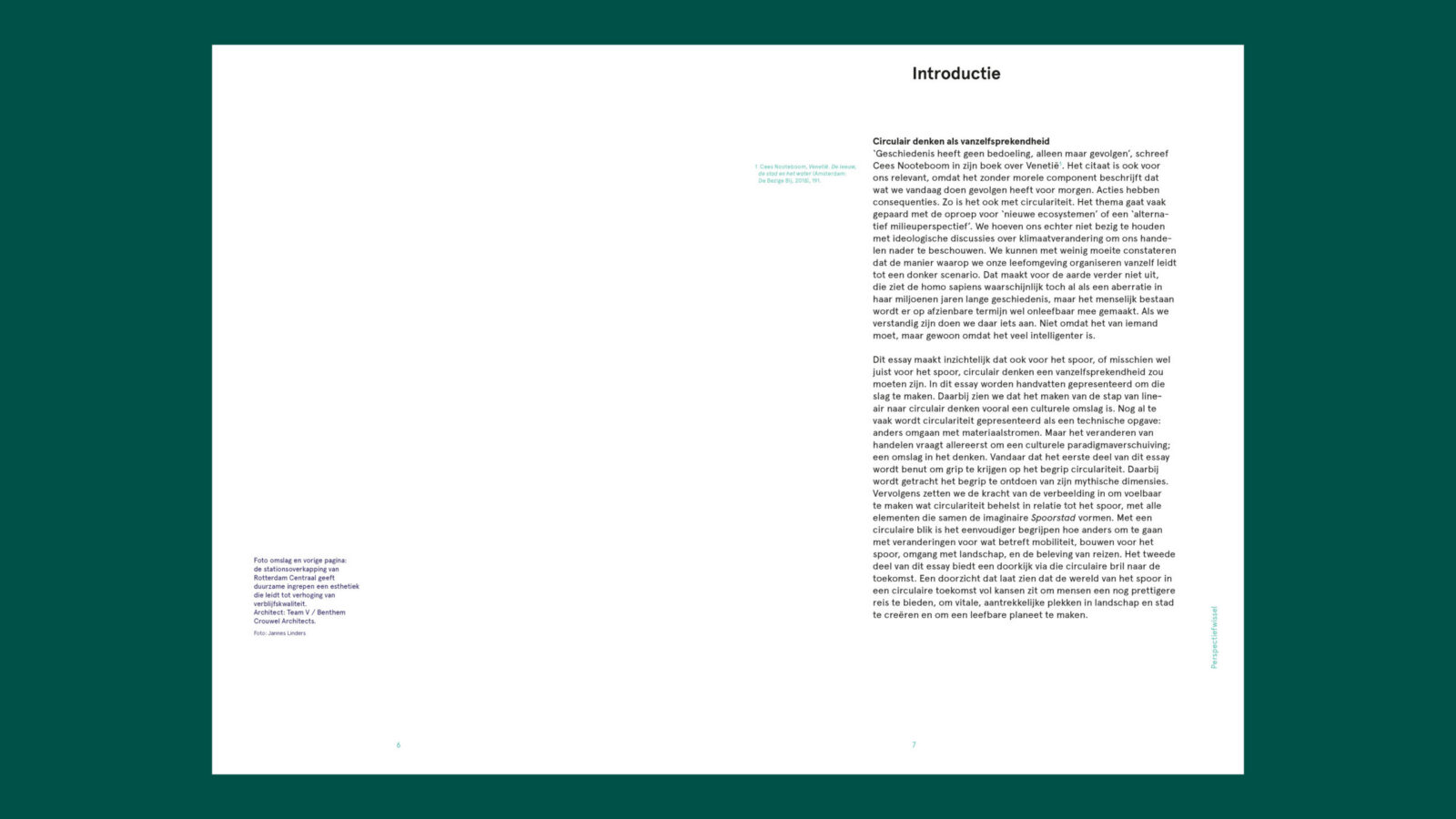
What if circularity begins not with waste separation, but with imagination? What if the real challenge is not technical, but cultural? For Bureau Spoorbouwmeester Peter van Assche explored what a circular approach to the railway could mean. Switching Perspectives shows what happens when we no longer see the Dutch railway as a collection of tracks, stations and technical systems, but as a living world of materials, energy, rituals, heritage, nature and everyday use. Not as a machine, but as a culture.
Railway City
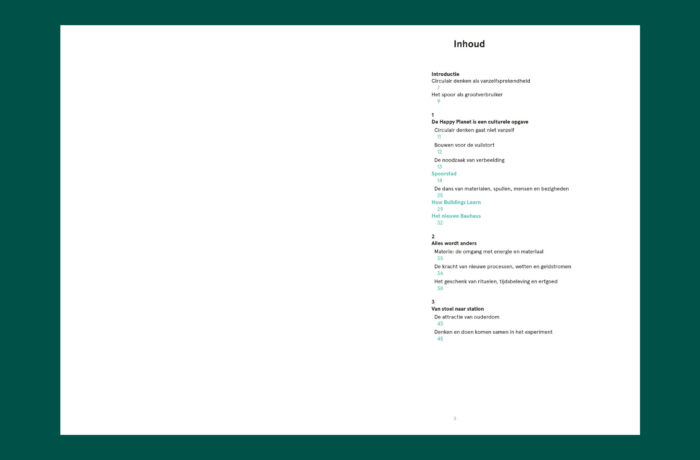
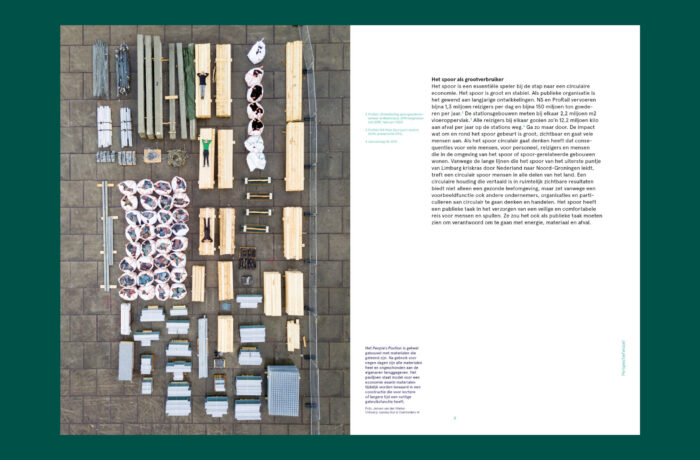
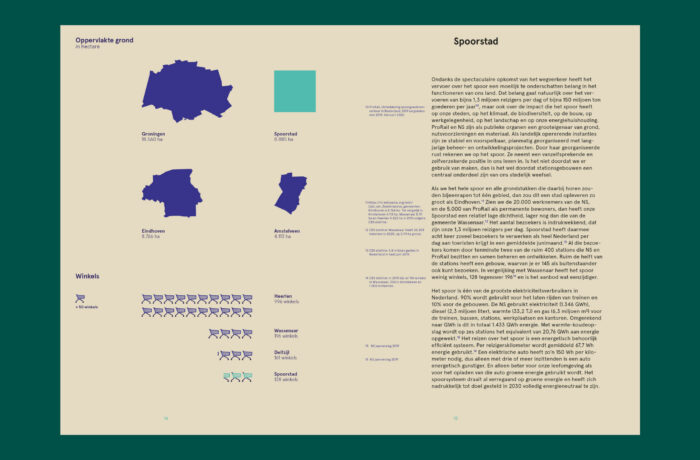
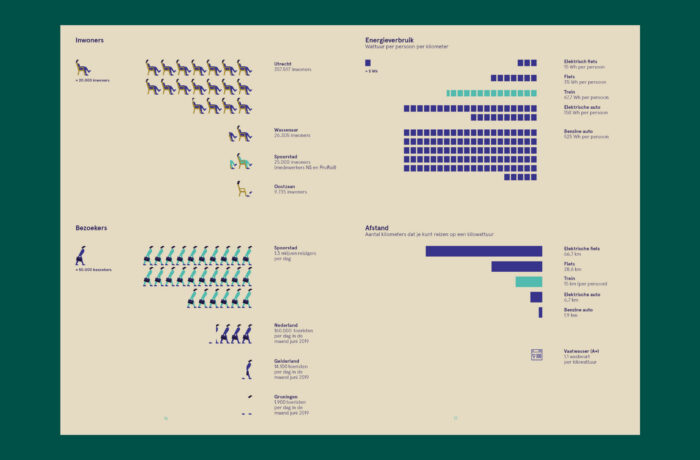
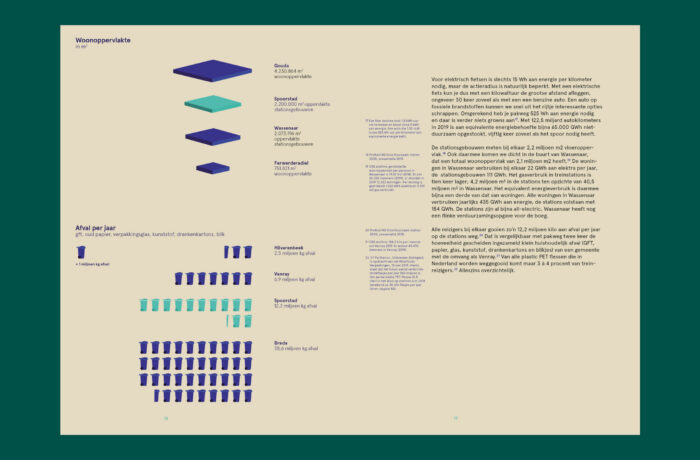
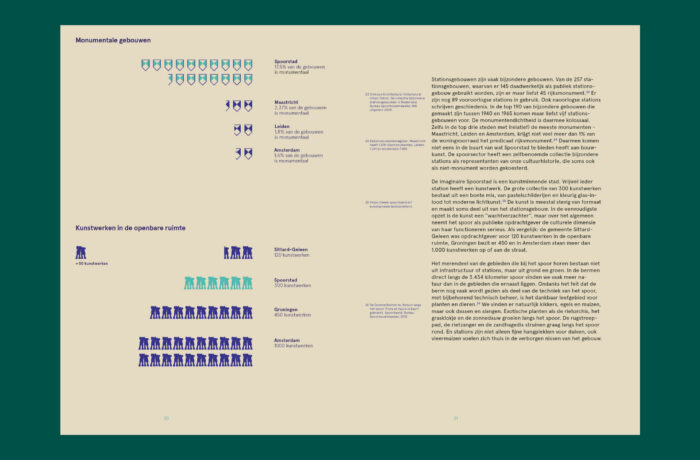
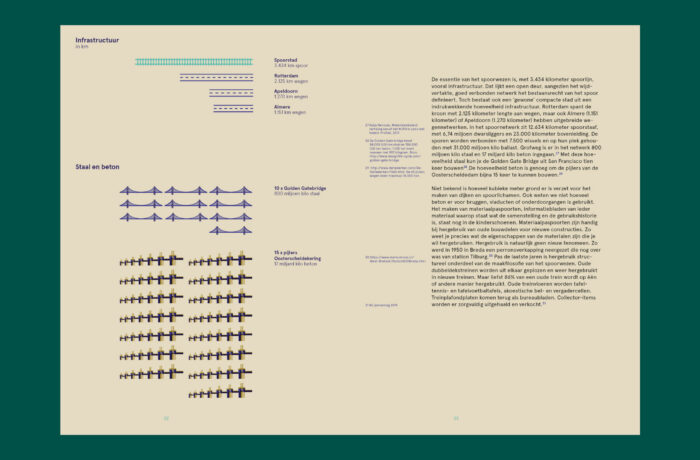
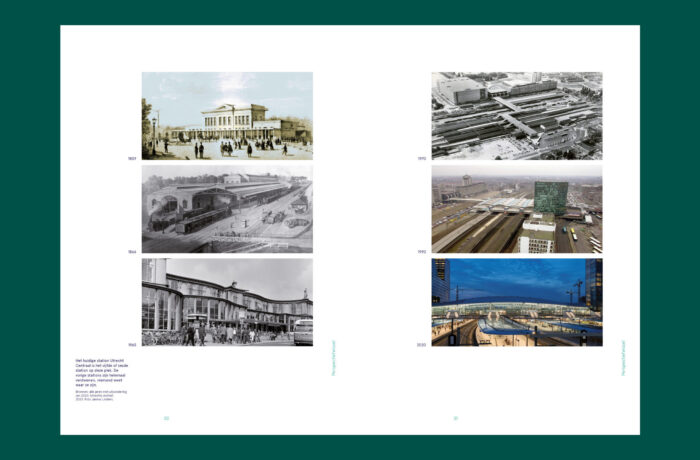
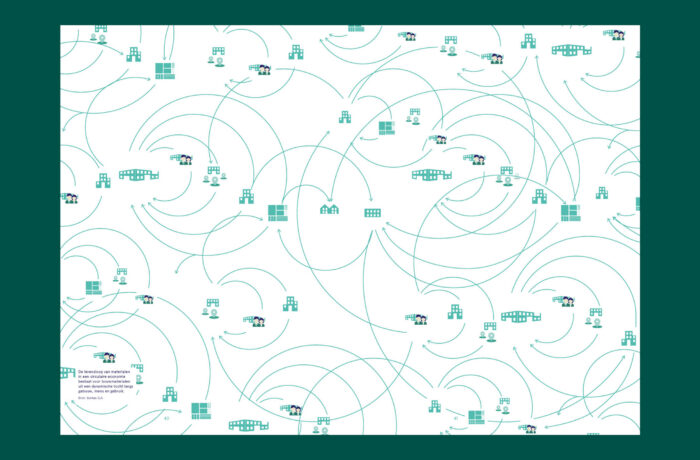
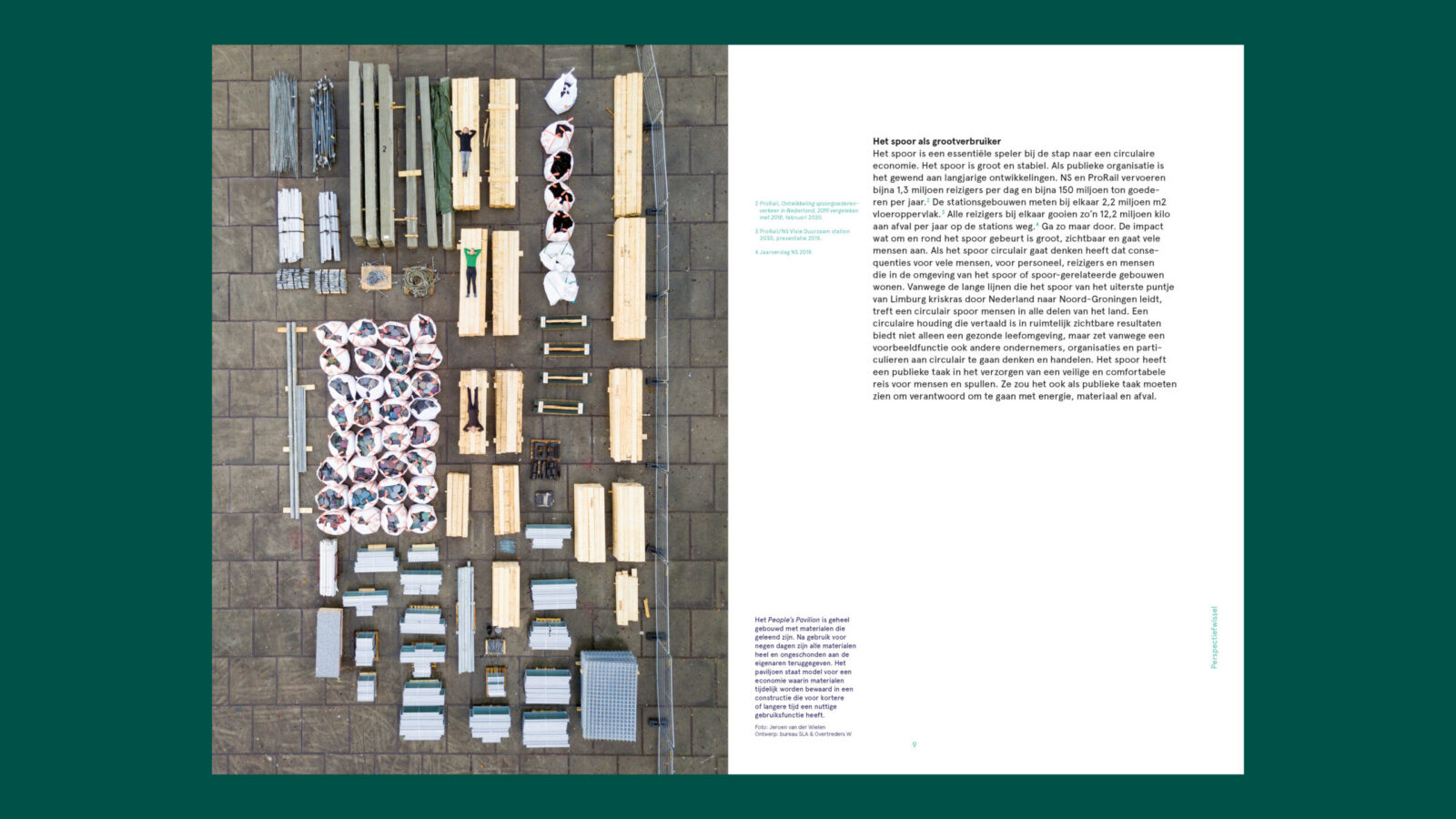
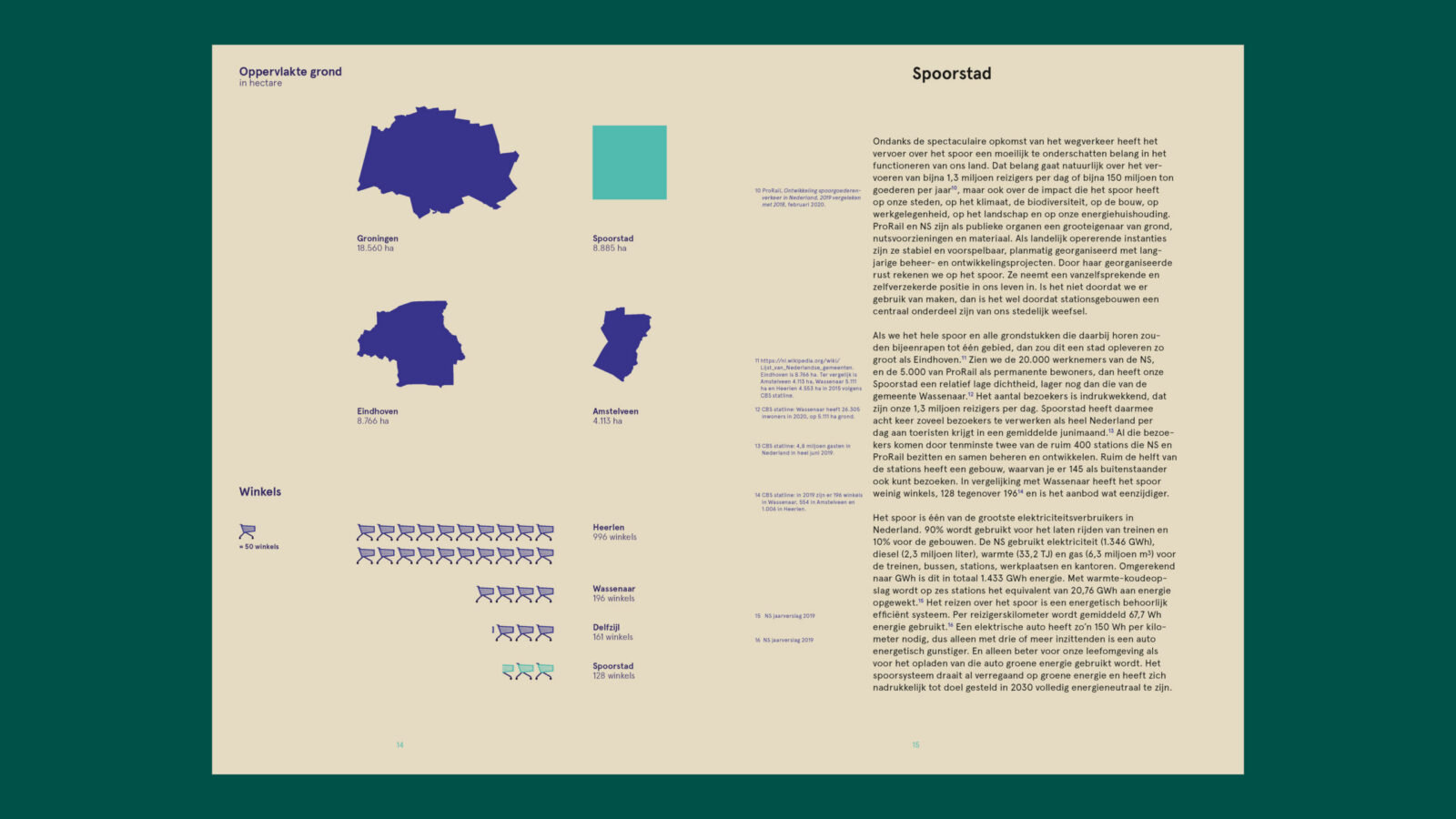
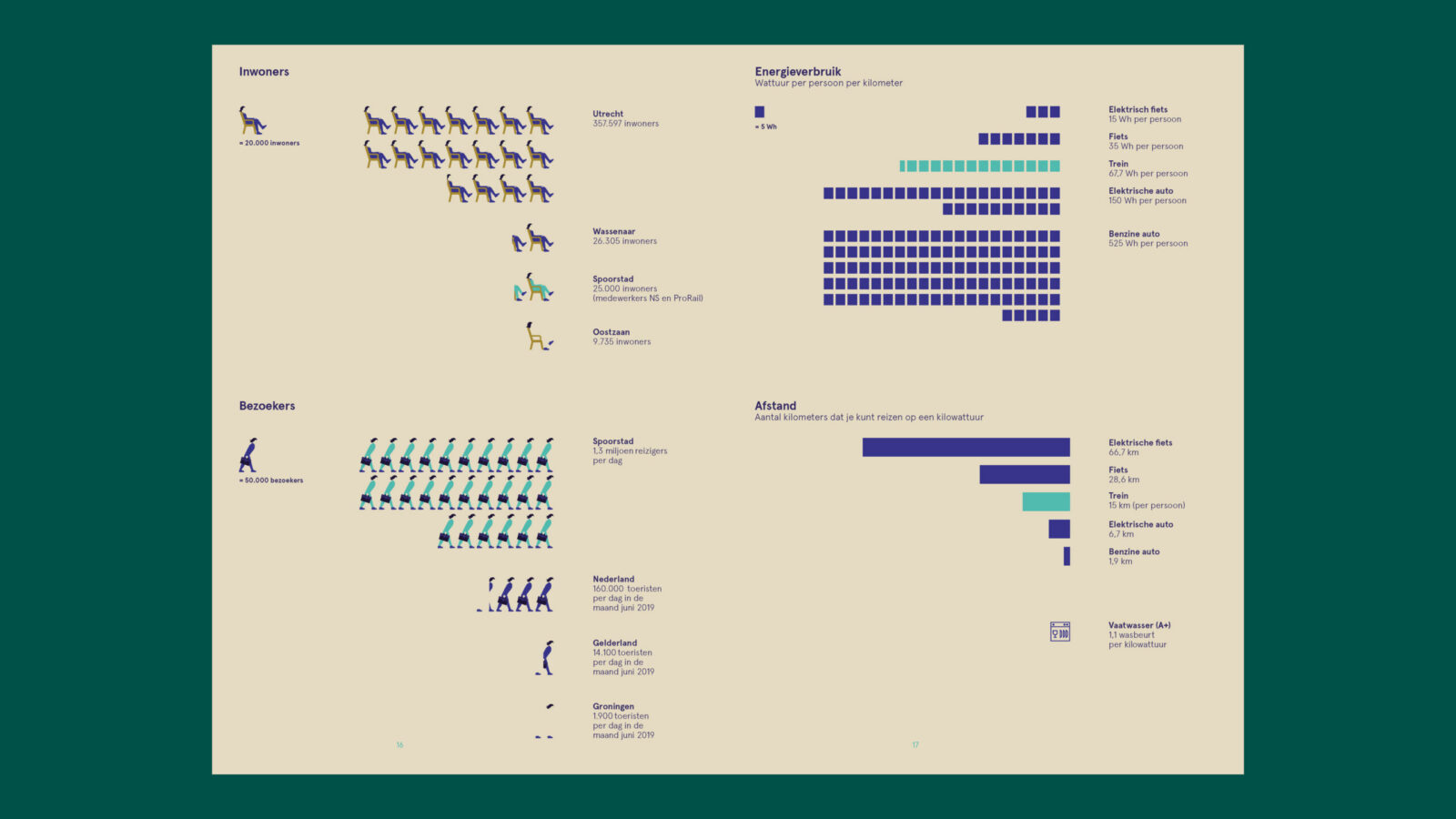
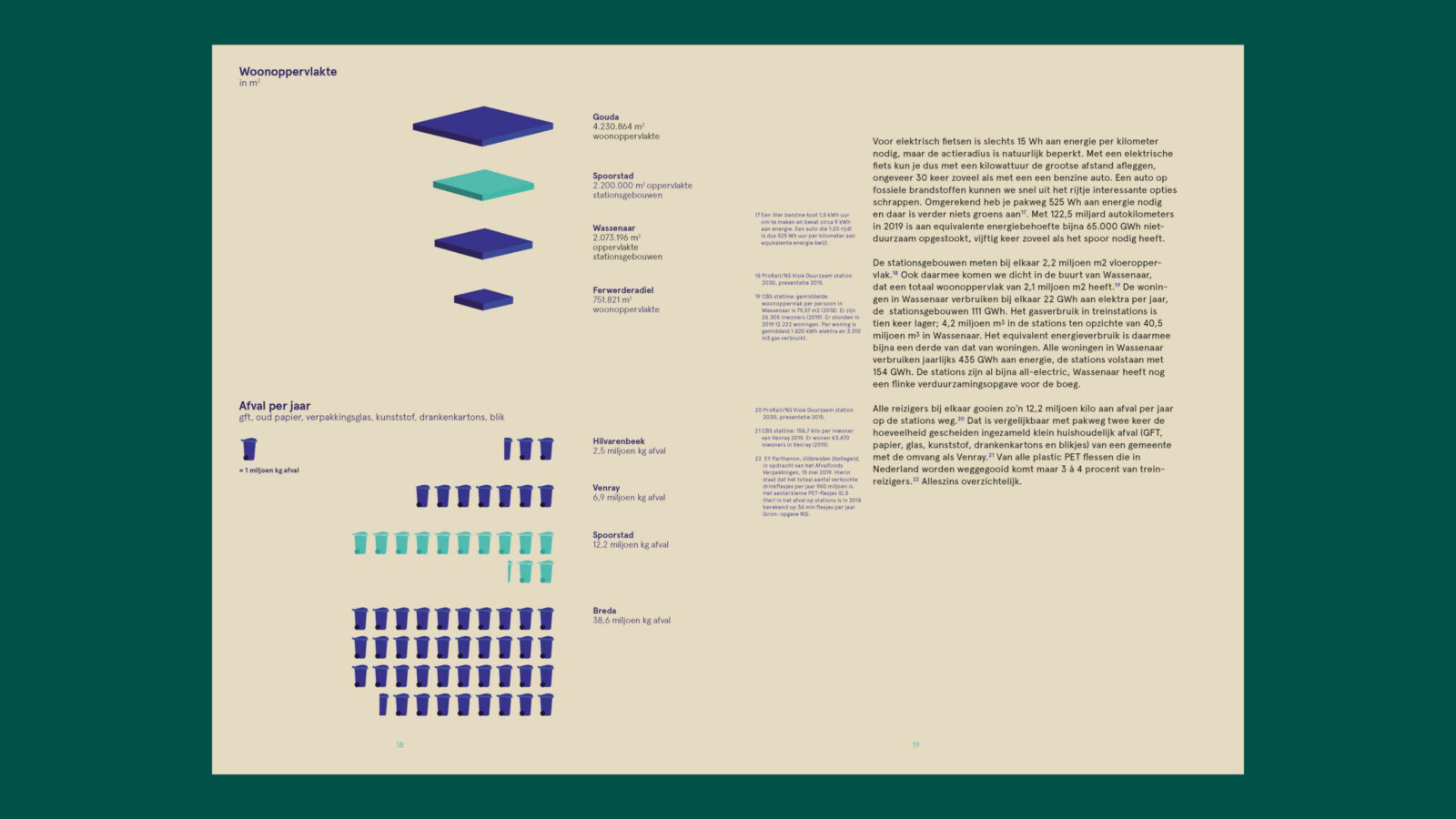
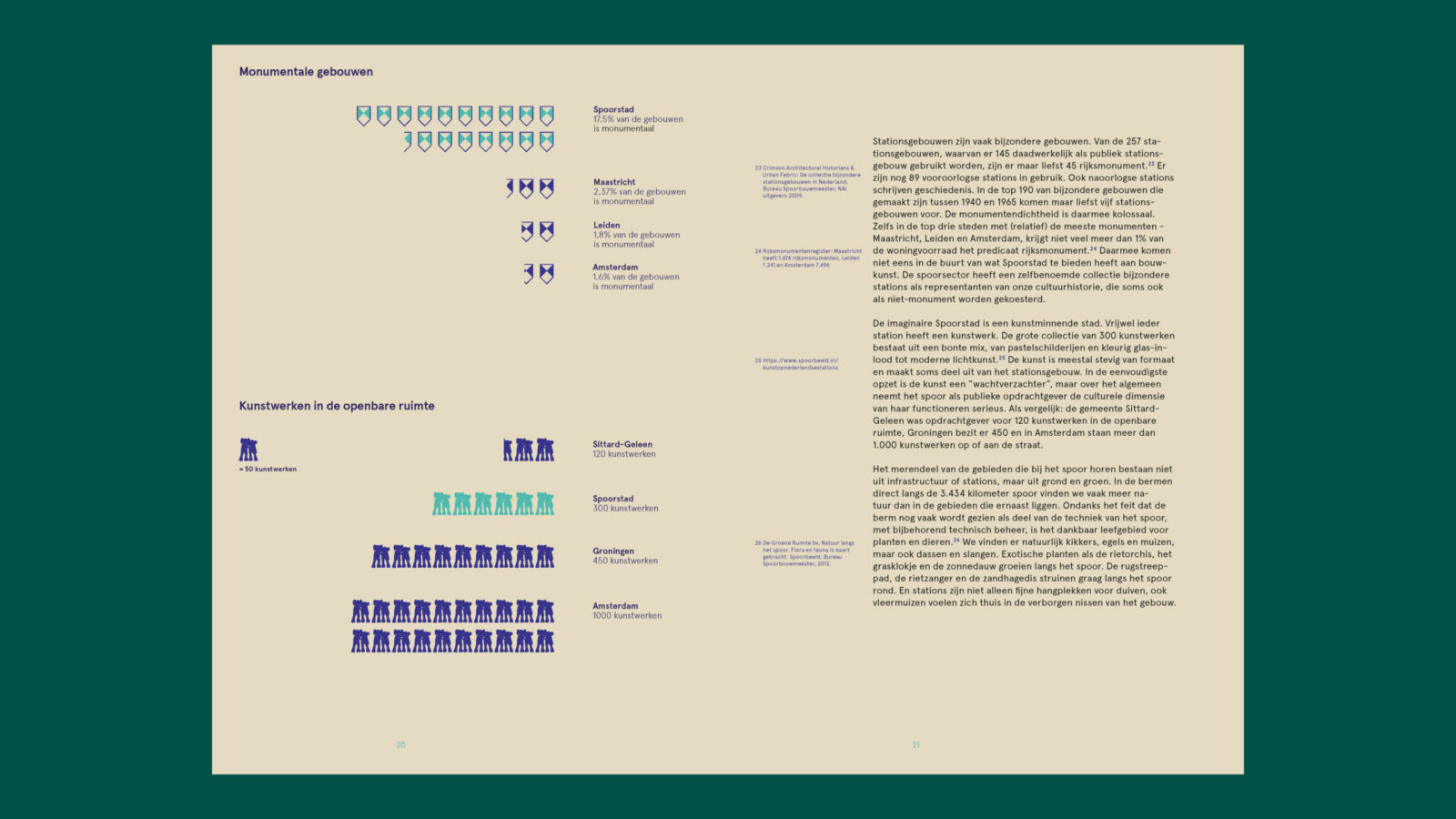
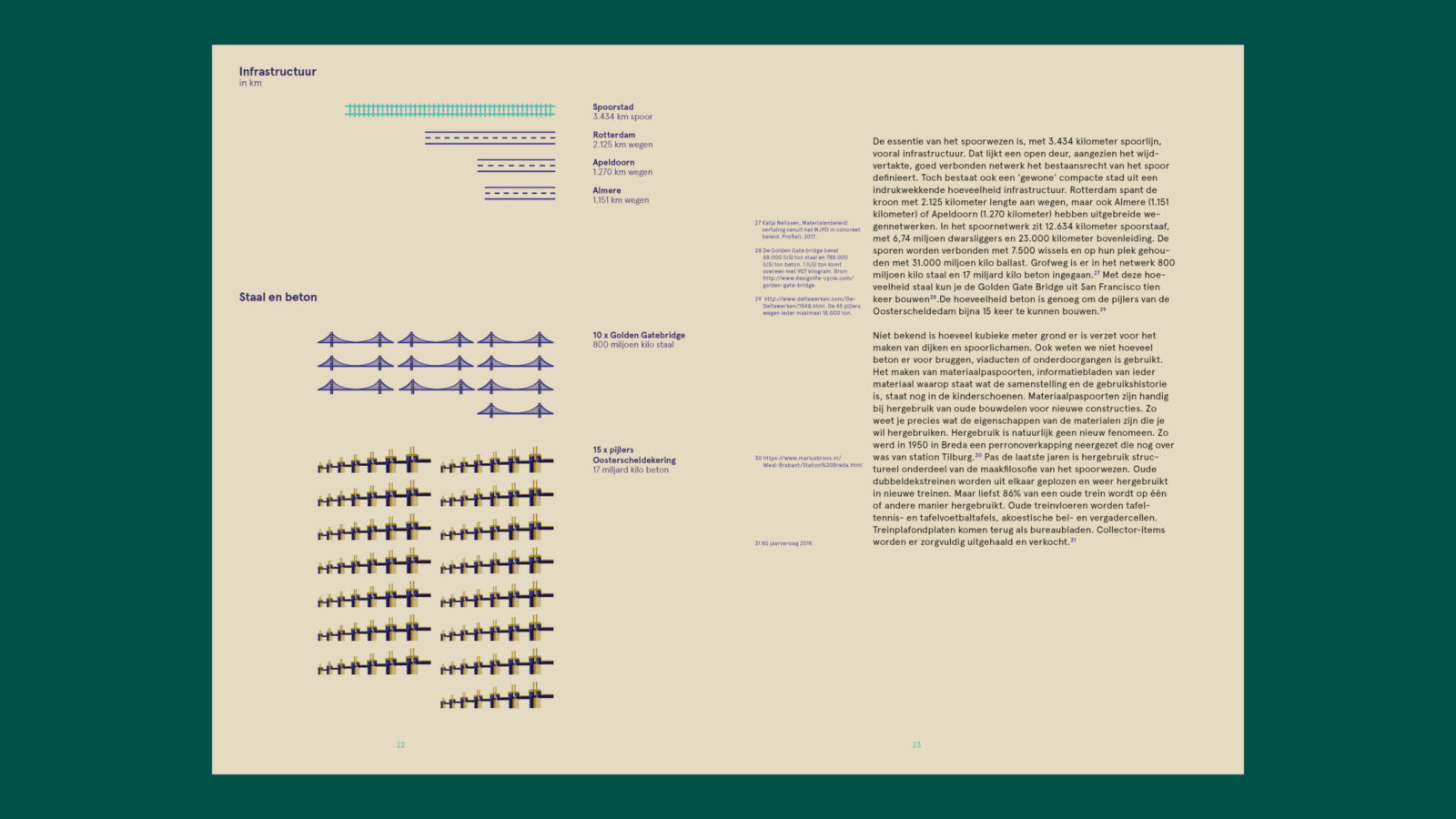
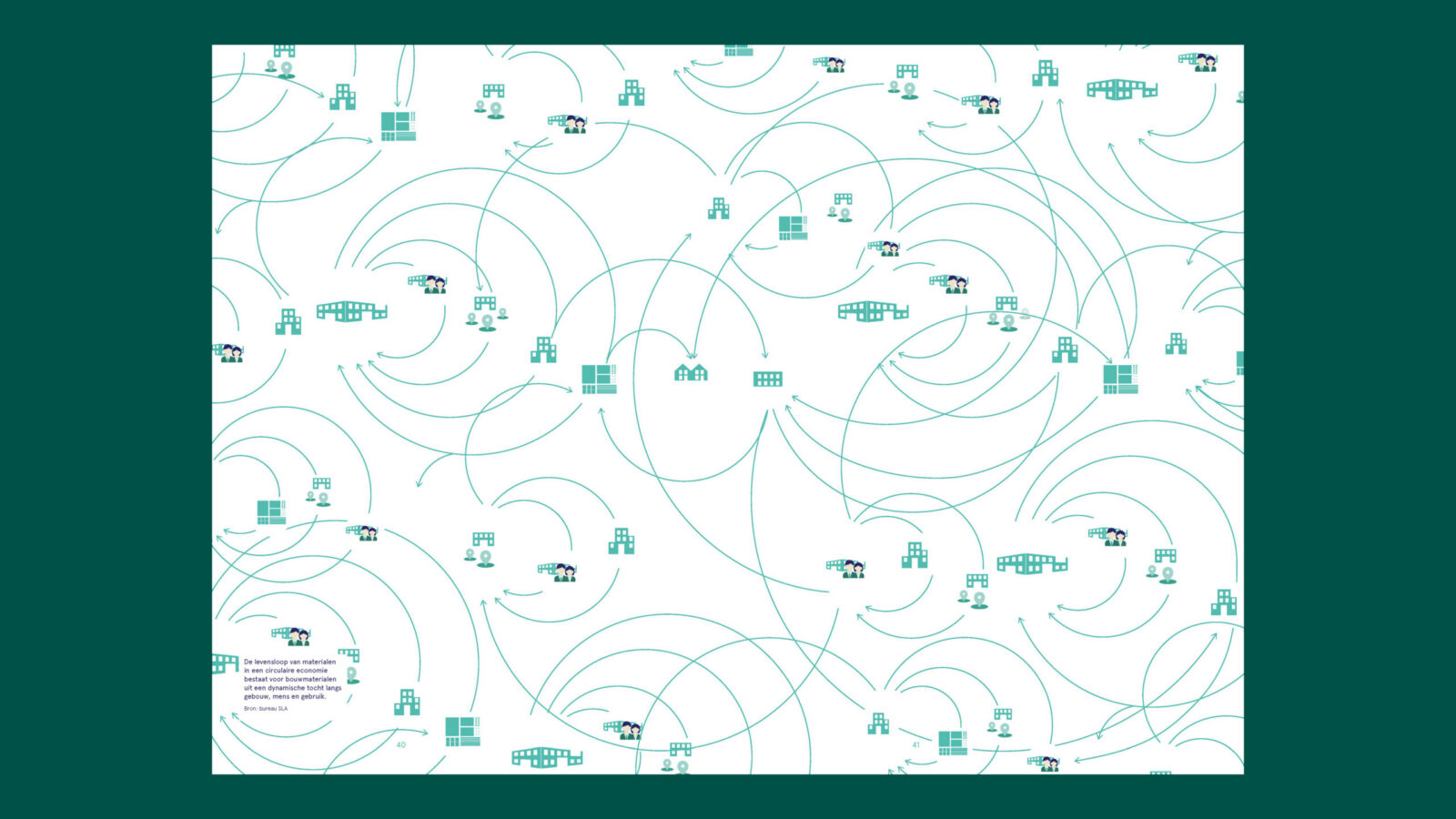
This is no minor shift. The railway is one of the largest and most visible public systems in the Netherlands. Every day it carries nearly 1.3 million passengers. It includes thousands of kilometres of infrastructure, millions of square metres of station space, vast quantities of steel, concrete, energy and waste, as well as monuments, artworks and ecological zones. Learning to see the railway through a circular lens therefore changes not only a sector, but also the way millions of people travel, wait, look and dwell. In the essay, Peter makes this abstract scale tangible through the image of Railway City: an imaginary city in which everything the railway is and uses comes together. Once numbers are given a face, the imagination emerges that invites us to truly act differently.
A New Logic of Building
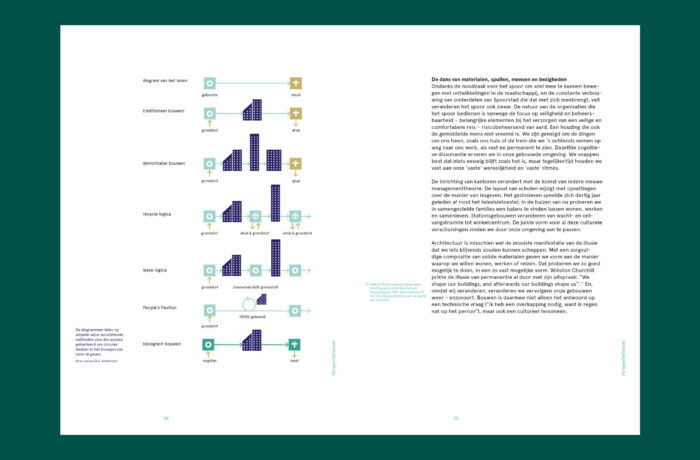
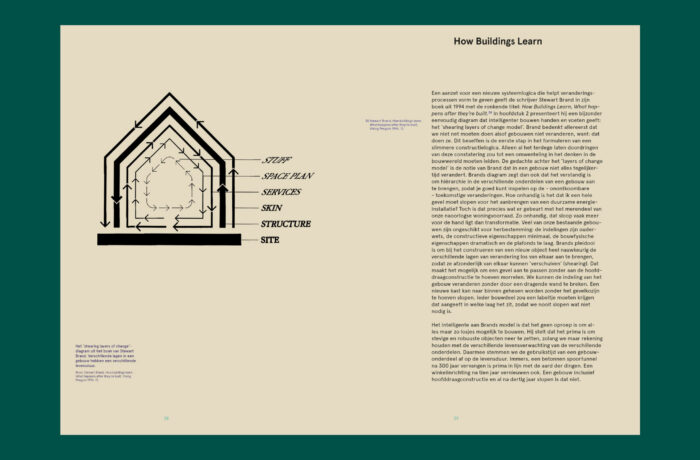
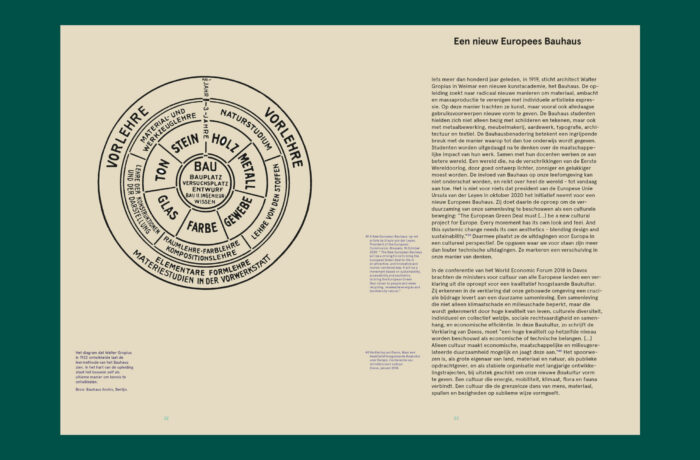
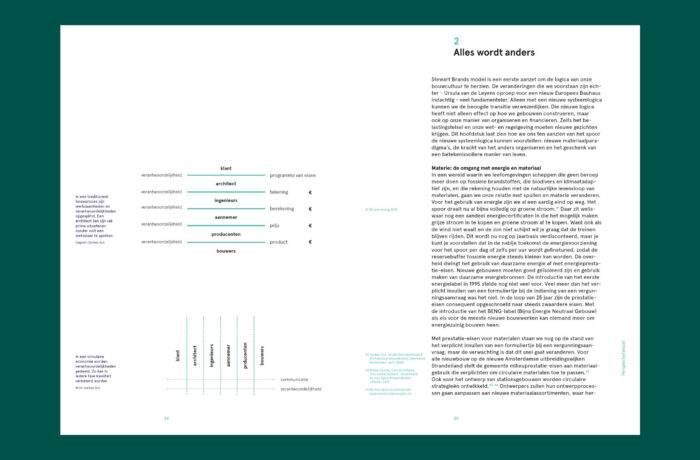
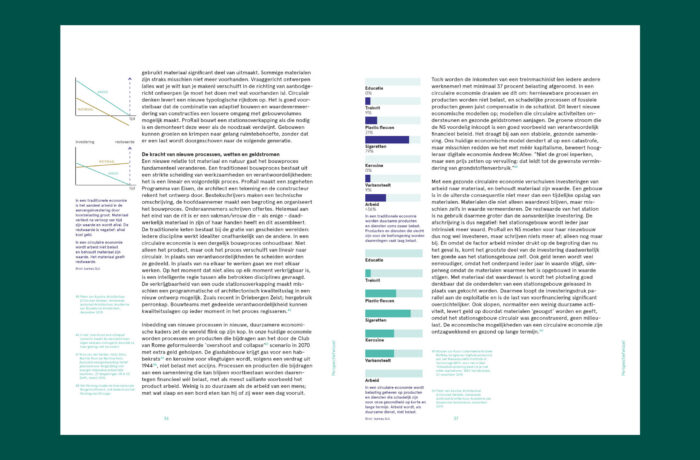
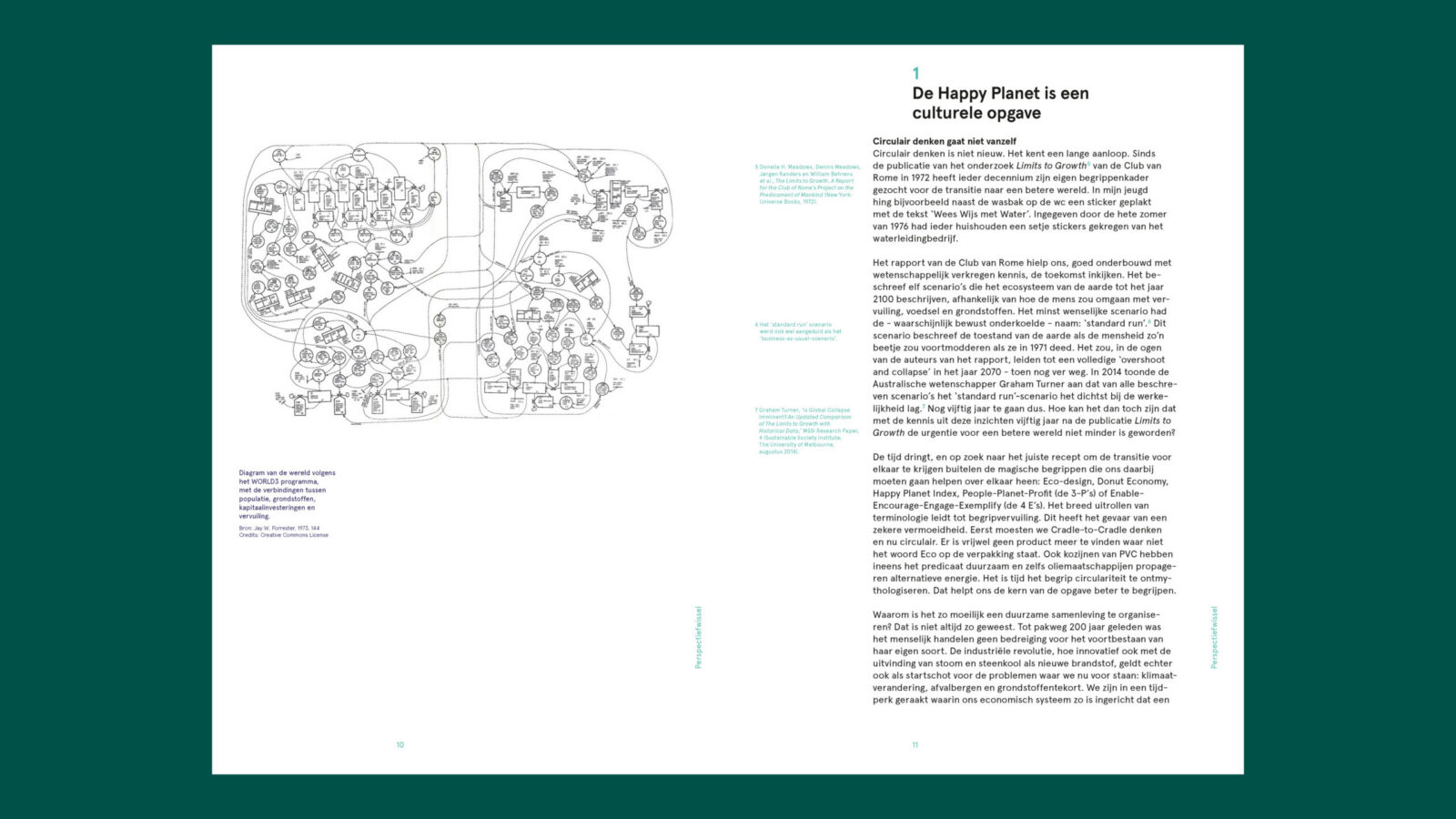
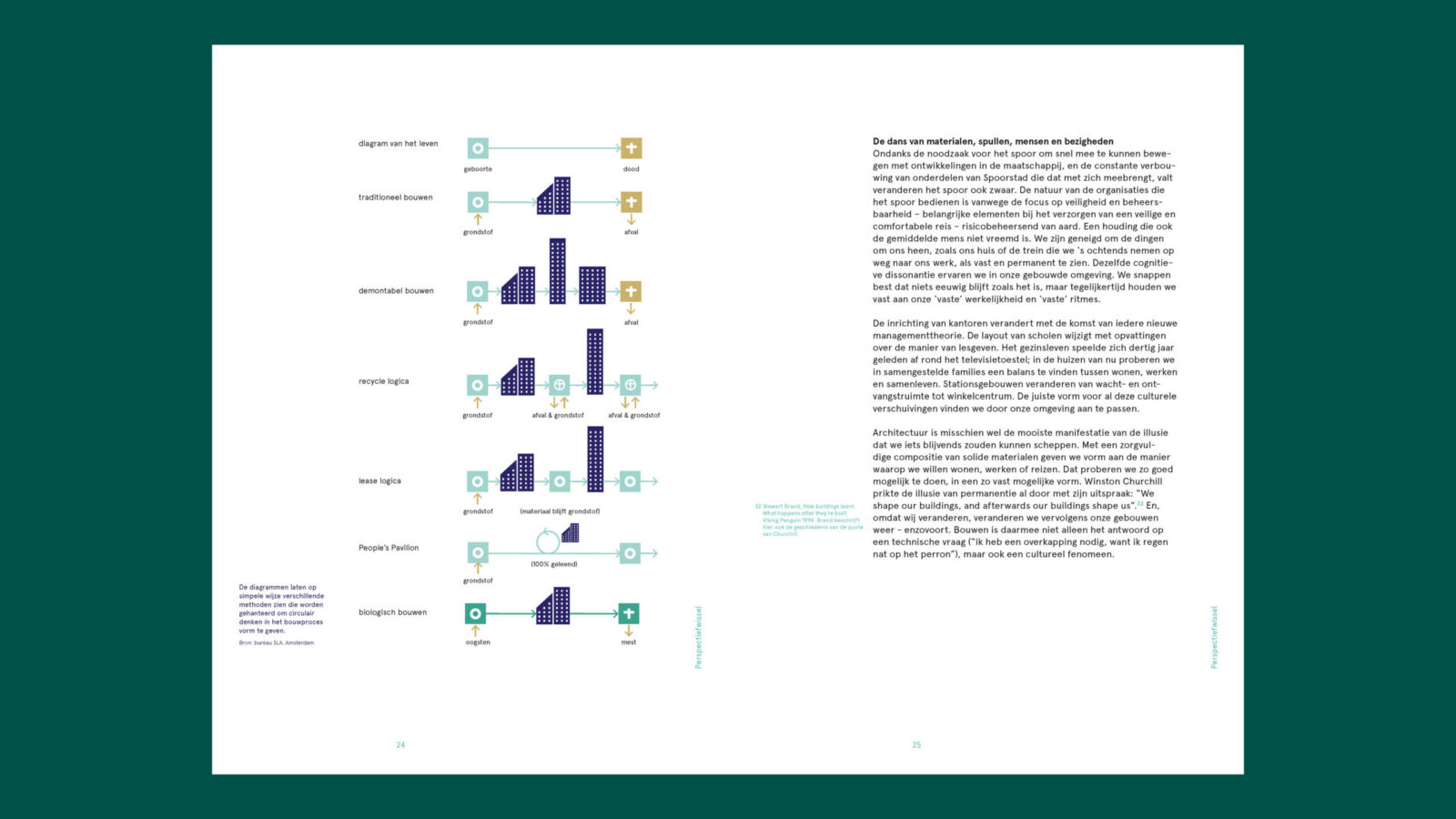
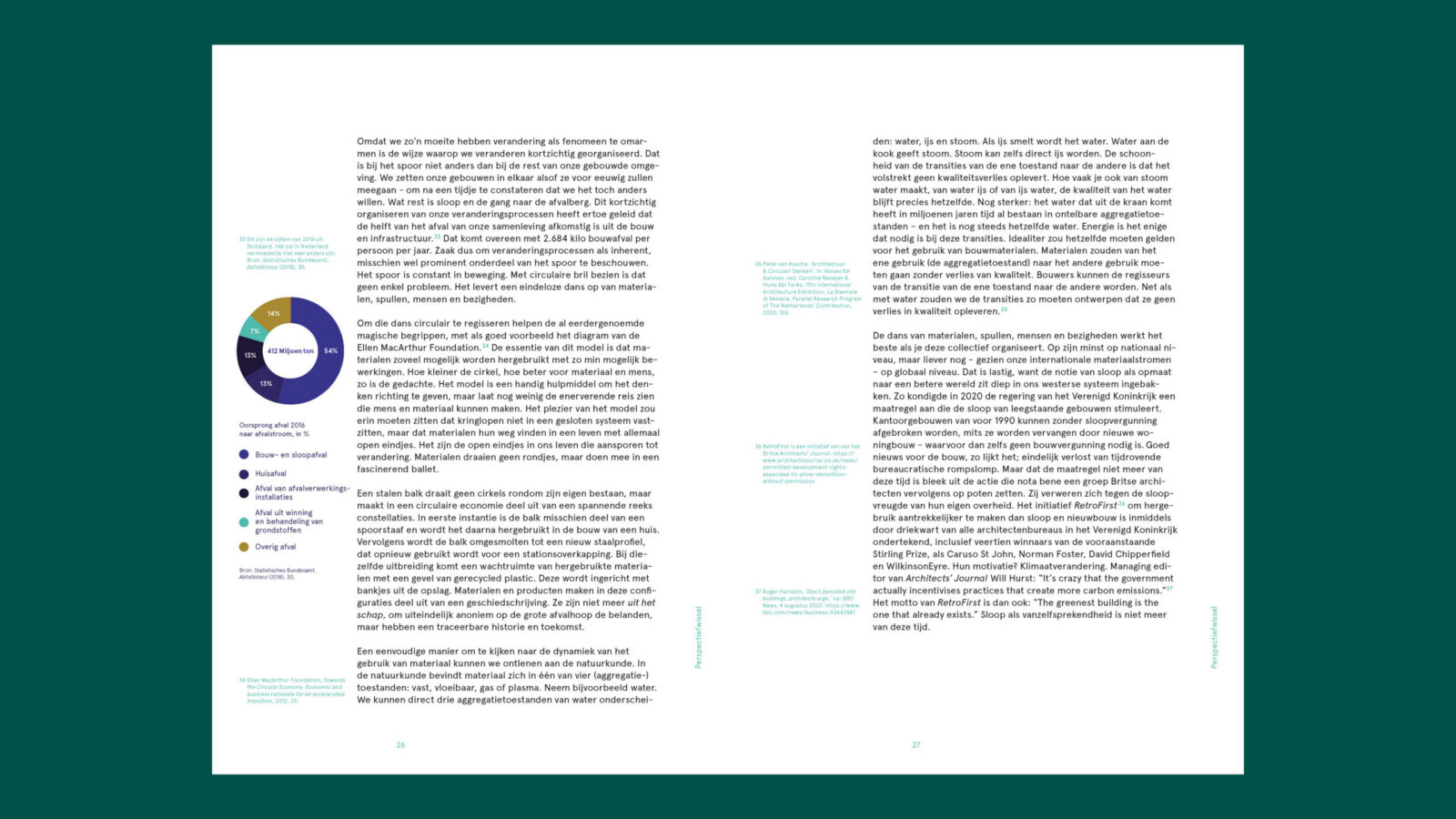
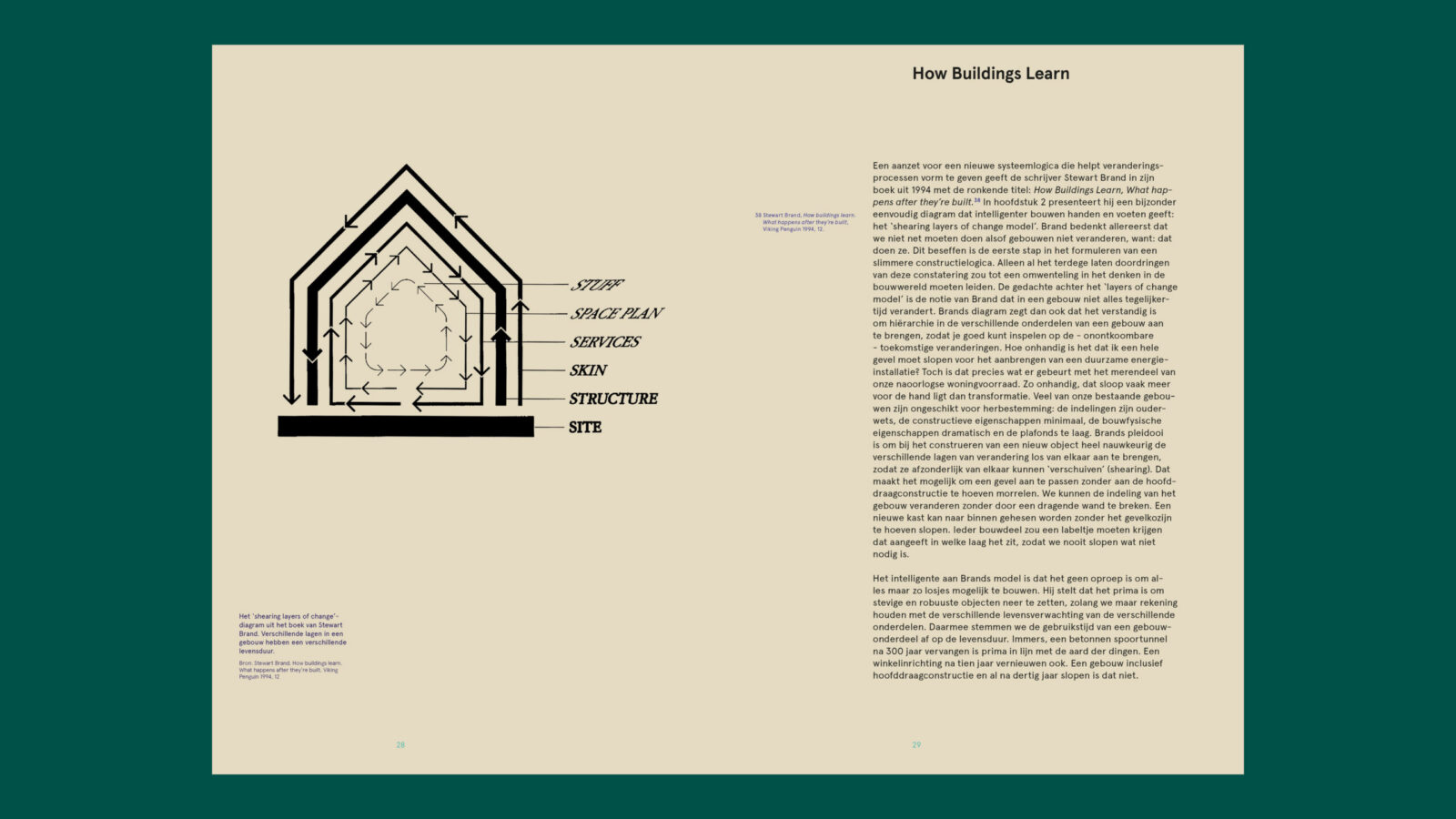
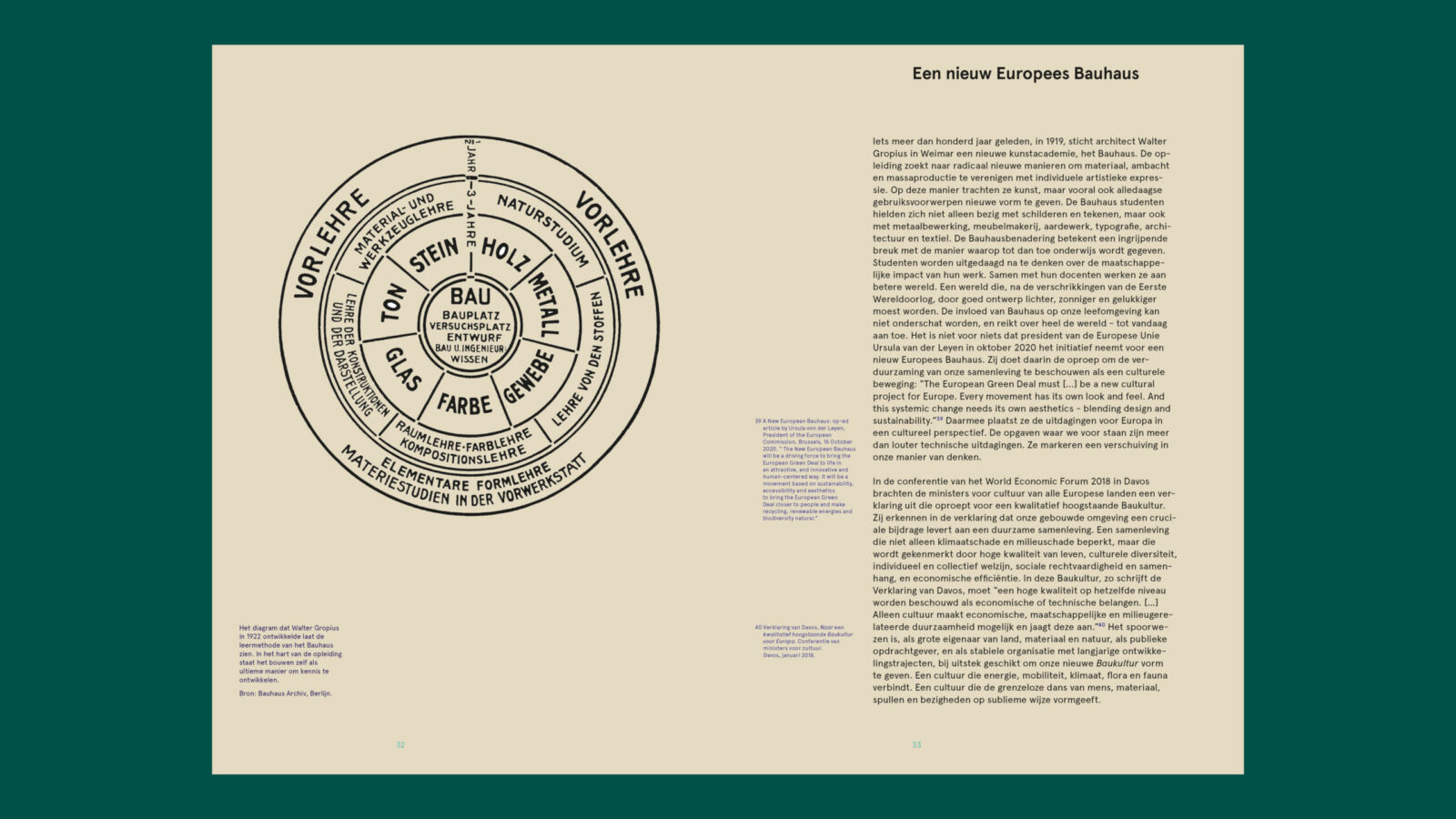
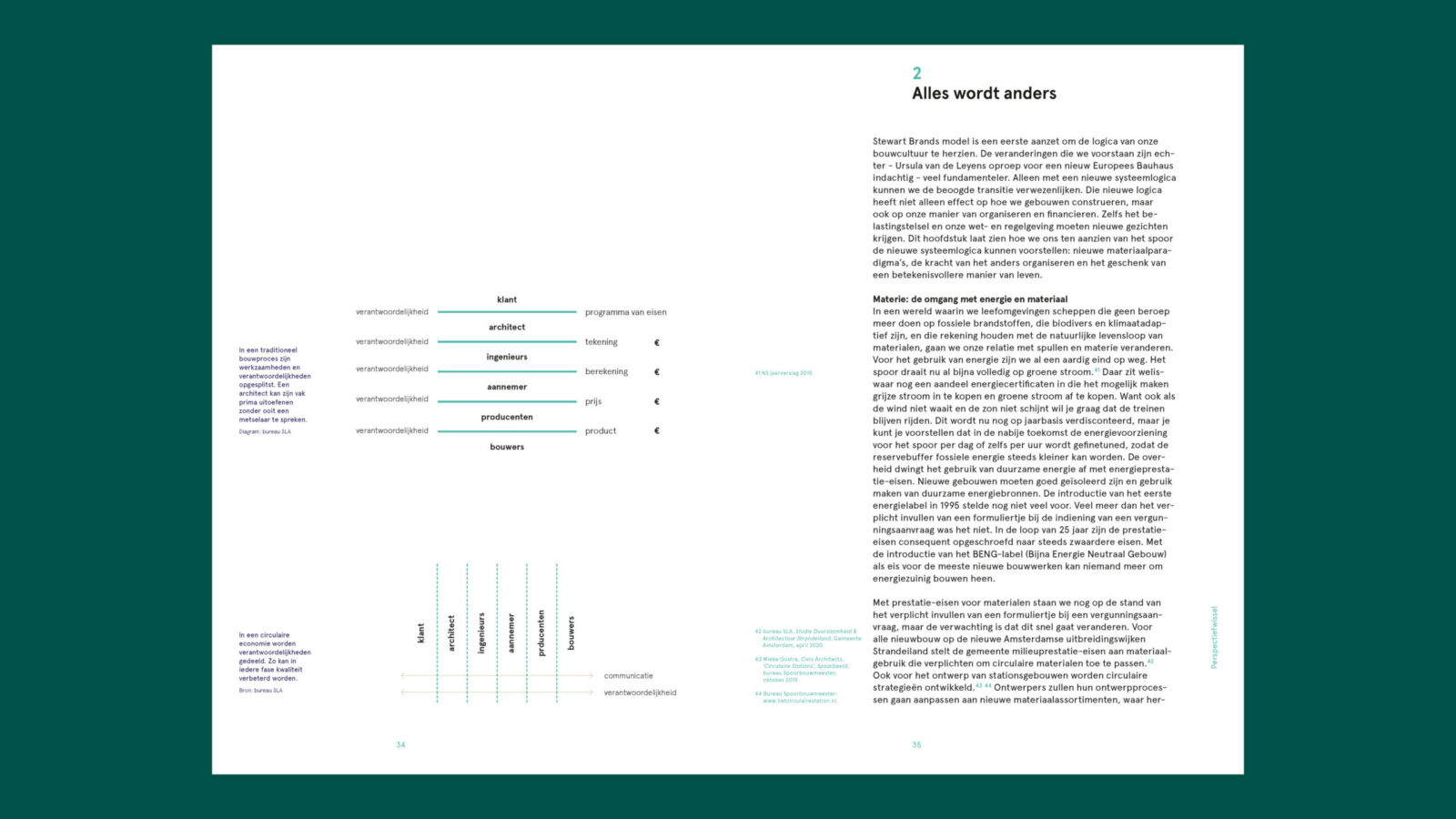
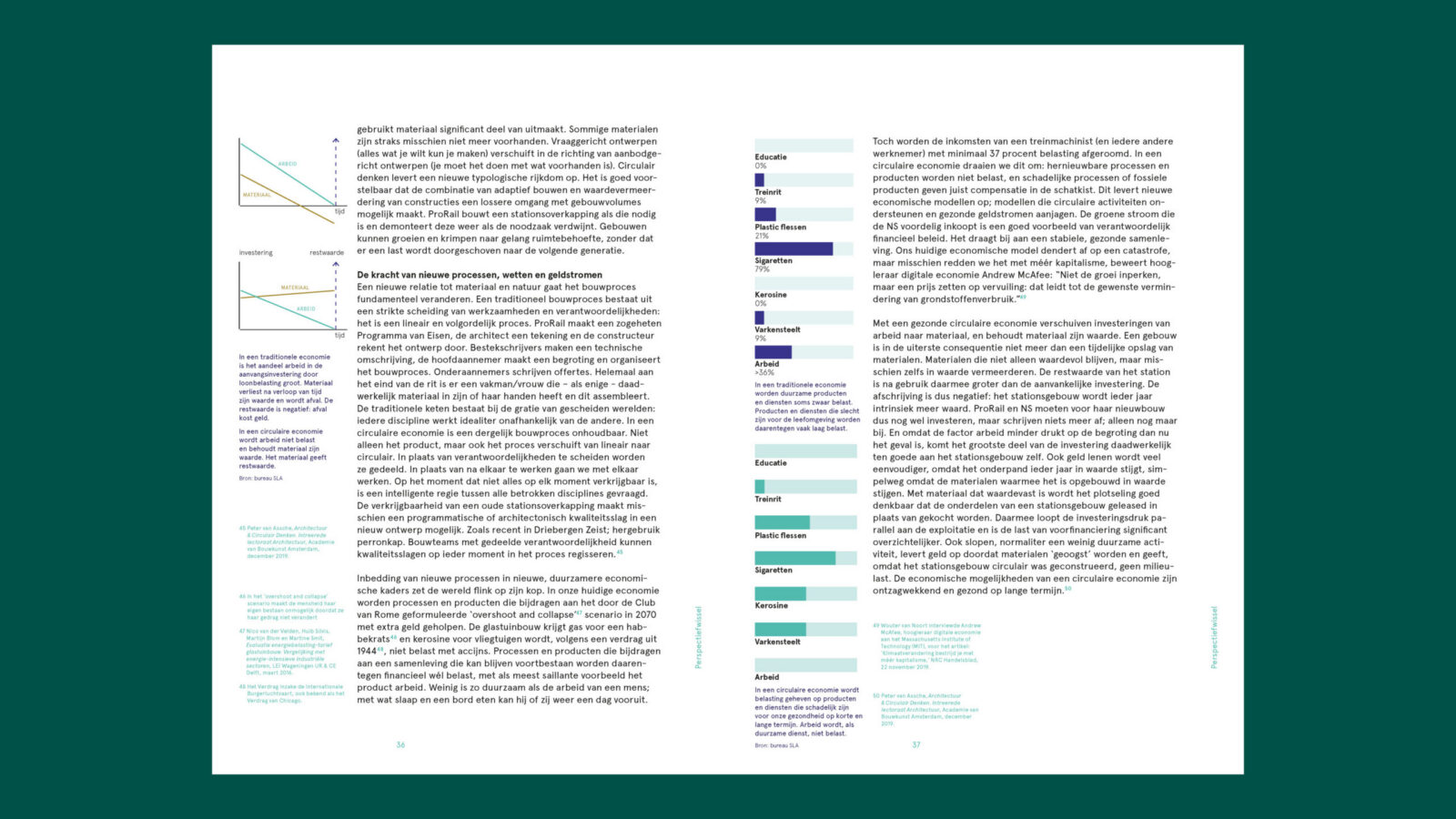
In Switching Perspectives, Peter distances himself from the reflex to reduce circularity to a technical or bureaucratic issue. The heart of the transition lies deeper. Our economy is built on hidden costs, short cycles of use, and a demolition logic that is still treated as self-evident. We create buildings that remain useful for thirty years, but persist as waste for centuries. We design as if change were a disruption, while in fact change is the normal condition of life. The essay argues for a different logic of building, inspired by Stewart Brand, the historical Bauhaus, and current discussions around the New European Bauhaus. Not demolish and replace, but understand, adapt, rearrange, transform and cherish.
New Stories
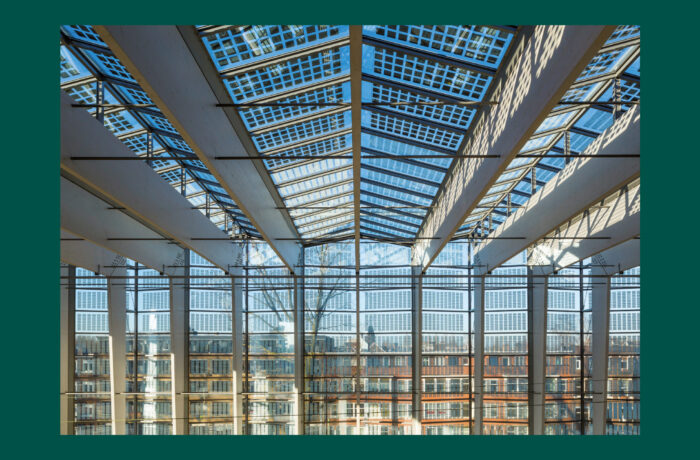
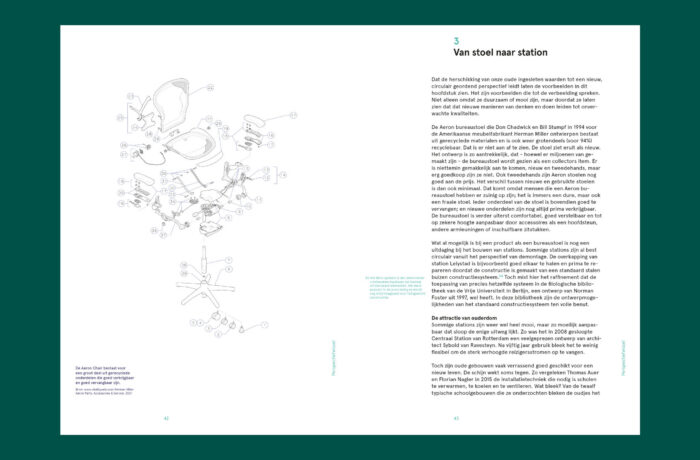
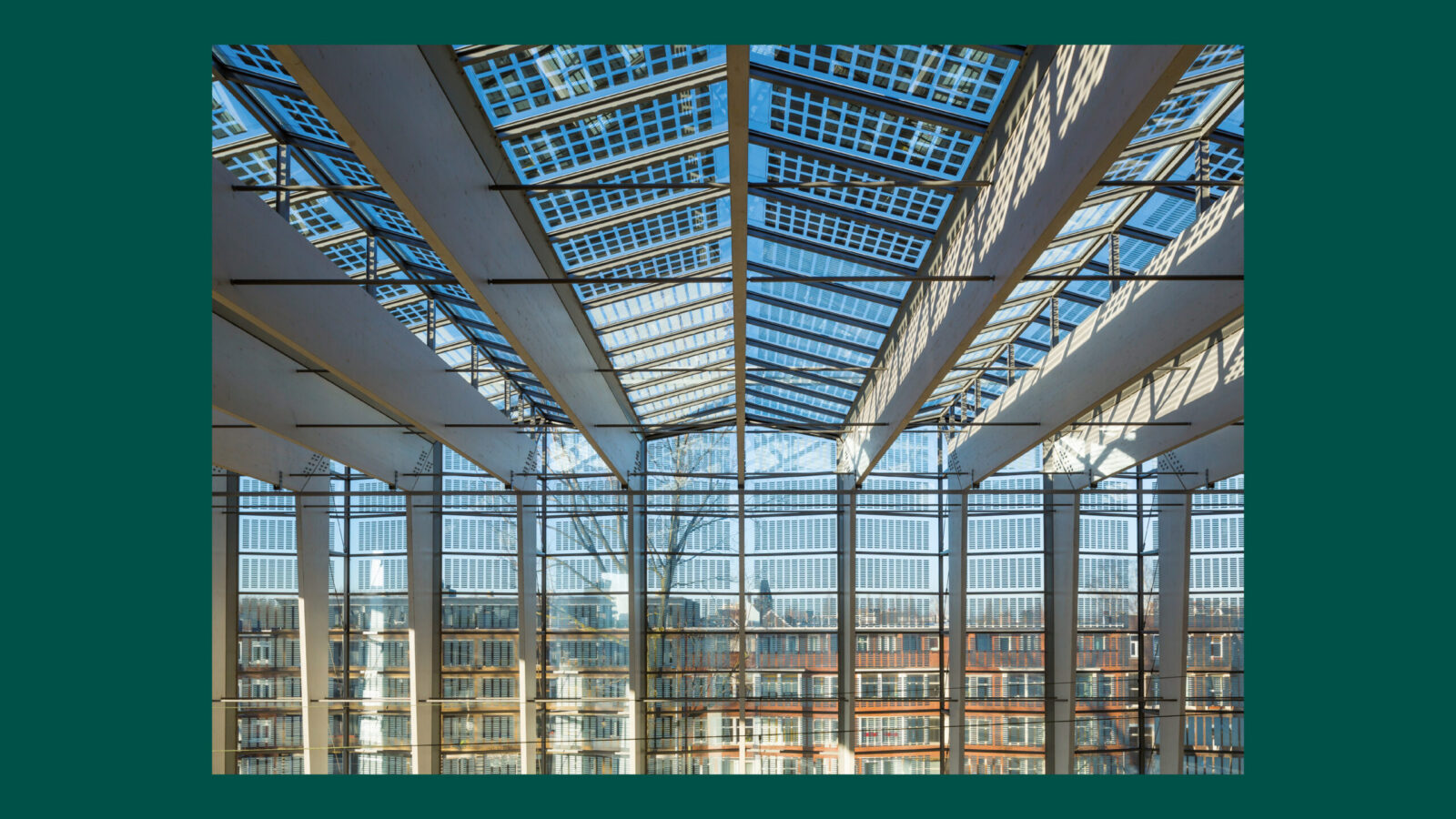
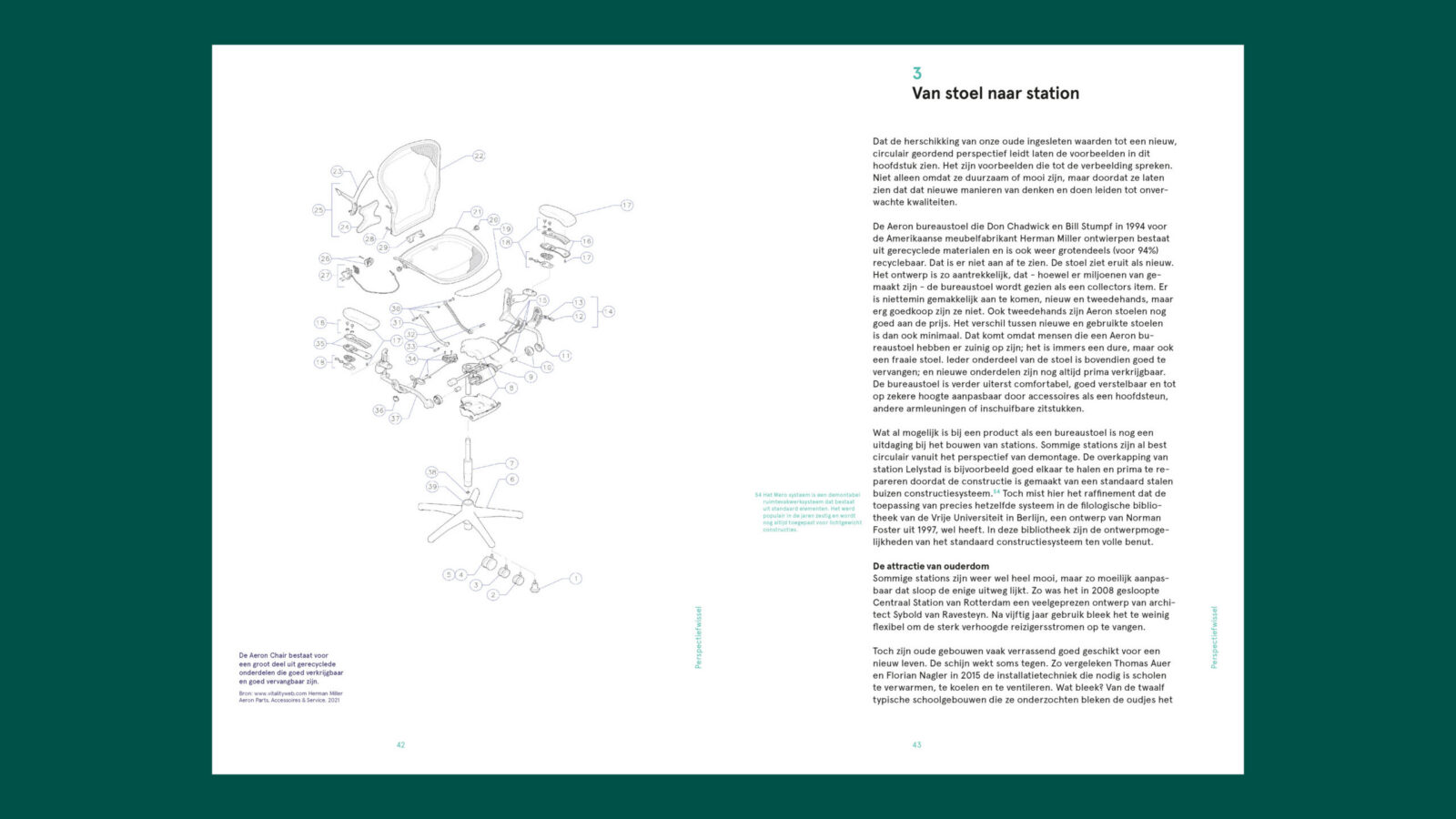
From the Aeron Chair to station canopies, from material passports to reused train components, from Rotterdam Central Station to Amsterdam Central Station, Switching Perspectives is a plea for a design practice that does not see circularity as a limitation, but as an opportunity for new beauty, new value and new stories. Not a world of standard solutions, but a world in which local identity, love for what already exists, and experimental imagination come together. Because in the end, perhaps the most circular quality of architecture is this: what we truly value, we do not demolish.
You can download the full issue of Switching Perspectives here (PDF, Dutch)
Peter was a guest at Pakhuis de Zwijger during the Week of the Circular Economy. Watch here.